

Table of Contents
Today’s audiences are smarter, more skeptical, and less impressed by flashy visuals alone. While a polished commercial might have once grabbed attention, it often feels staged, distant, or artificial to today’s viewer. That’s why many companies working with video production partners like Get Camera Crew increasingly focus less on perfection and more on authenticity. Authentic videos create connection, trust, and real engagement in ways polished content often cannot.
In this article, we explore why perfect content often fails to connect, why authentic video works better, and how brands can shift their strategy to win attention and trust in a crowded content landscape. We’ll break down key reasons, backed by insights from industry research, and explain practical ways to make video that feels real and resonates.
What “Perfect Content” Really Means
“Perfect content” usually refers to media that looks flawless on the surface. It might have cinematic lighting, carefully scripted lines, and polished editing. On paper, it appears professional and impressive. But here’s the problem: viewers don’t just want technical quality. They want credibility, honesty, and human connection.
A video that feels too polished can come across as:
- Rehearsed and artificial
- Detached from real human experience
- Designed to impress, not to connect
These qualities create distance between the viewer and the brand, making perfect content less effective at building long-term engagement.
1. Perfect Content Feels Staged
One core issue with overly polished video is that it feels staged. When everything is scripted to the letter, audiences often sense the lack of spontaneity. They subconsciously register the production layers instead of the message.
Human brains are built to detect authenticity in social interactions. When something feels too refined or rehearsed, viewers may feel it is managed or controlled rather than genuine. This can create emotional distance and reduce trust.
2. Audiences Can Spot Perfection a Mile Away
Modern audiences have grown up with social media and user-generated content. They are used to raw, candid moments and real human expression. Over time, people develop an instinct for filtering out content that feels manufactured or overly curated.
When content feels “produced” rather than human, viewers are more likely to scroll past. They want to see real people, real expressions, and real imperfections that reflect their own experiences.
3. Perfect Content Slows Down Production
Another drawback of perfection is that it slows everything down. Chasing the ideal takes time, from scripting and reshooting to editing and revising. While you are refining one video, your competitors might already be publishing multiple authentic posts that build ongoing engagement.
Speed matters on platforms like TikTok, Instagram, and YouTube Shorts, where frequent, timely content often performs better than rare, polished pieces.
4. Perfect Content Creates Pressure
Polished productions set a standard that can be hard to repeat. Once you’ve published one “perfect” video, every future piece feels like it must match or exceed that production level. This creates pressure and leads to inconsistency, one of the biggest killers of audience growth.
In contrast, authentic video does not demand perfection. It allows brands to show up frequently, even with minimal production overhead.
Also read: B2B vs B2C Video Marketing: Highlighting Key Differences
5. Authentic Video Stops the Scroll
Authenticity, in contrast to perfection, feels human and relatable. A slight imperfection, a natural laugh, or a candid moment can make a video feel warm and real. Realness stops people from scrolling and encourages them to engage.
Authentic videos often:
- Feature real people sharing real thoughts
- Use unscripted or loosely guided dialogue
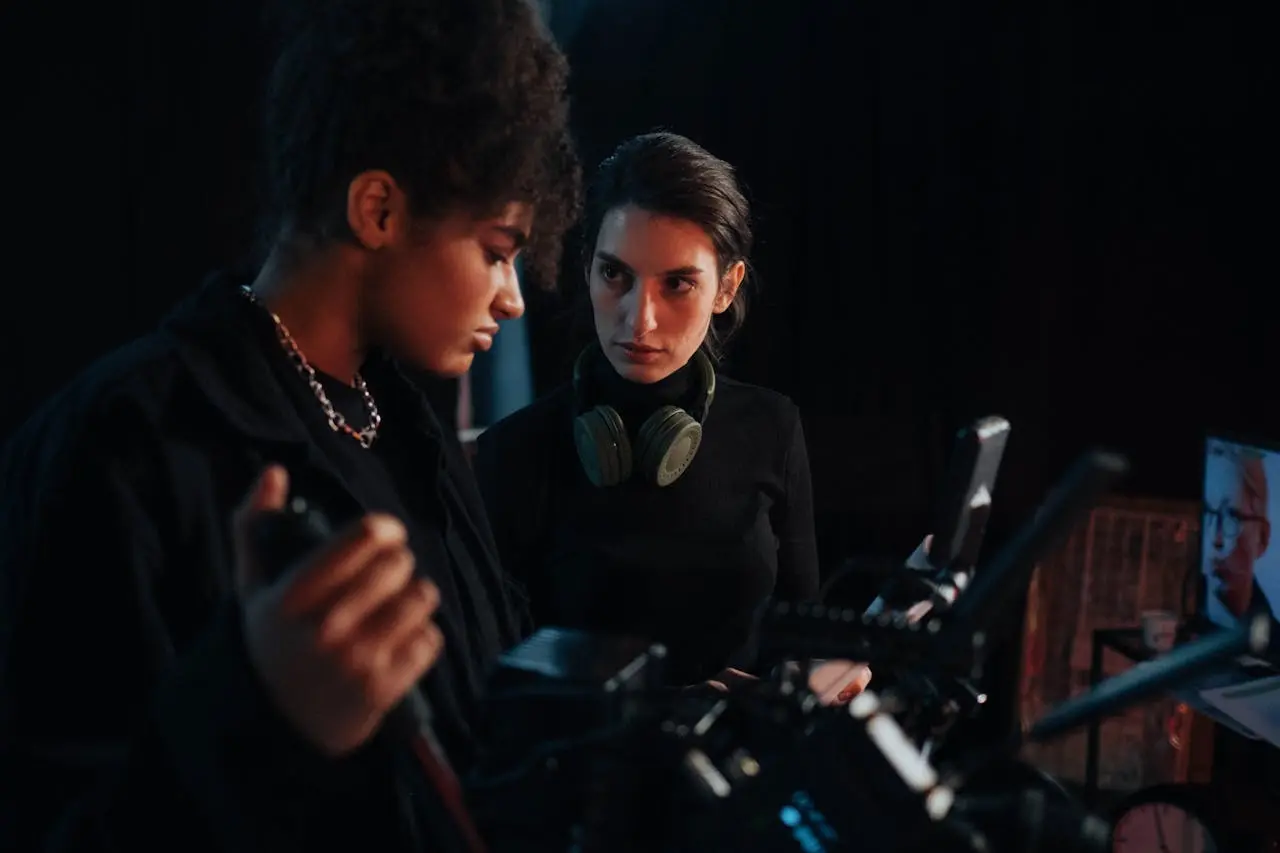
- Show behind-the-scenes moments
- Reveal the process rather than just the end result
These elements create a sense of familiarity that audiences respond to more strongly than cinematic visuals.
6. Authenticity Builds Trust
Trust is the foundation of long-term engagement and conversion. Authentic video helps viewers feel that they are seeing people, not scripted characters. This human approach builds credibility because it mirrors how we communicate in real life.
Research shows that authenticity significantly impacts consumer trust. For instance, a large number of consumers say authenticity is a key factor in deciding which brands they support.
7. Authentic Video Creates Emotional Connection
People make decisions emotionally before they make them logically. When viewers see content that feels real — someone sharing a challenge, a triumph, or a sincere message, they connect emotionally. That emotional bond drives deeper engagement and loyalty, which polished content often fails to achieve.
Authentic videos tap into human psychology by:
- Showing vulnerability
- Demonstrating shared experiences
- Encouraging viewers to relate personally
These cues trigger emotional responses that help videos stick in memory and influence future behavior.
8. Authentic Content Enhances Engagement and Retention
Platforms like TikTok, Instagram, and YouTube favor content that keeps users watching, interacting, and sharing. Authentic videos often perform better in these areas because they feel natural and conversational.
Unlike heavily edited pieces where every frame is controlled, authentic video can feel like a dialogue rather than a presentation. This helps extend watch time, spark comments, and encourage sharing, all of which contribute to organic reach.
9. Authentic Video Combines Relatability with Clarity
Losing sight of messaging in pursuit of visual perfection can dilute impact. Authentic content keeps the message front and center by avoiding excessive flourishes that distract from meaning.
The most compelling content often follows two simple principles:
- Be clear
- Be real
When messages are straightforward and delivered naturally, viewers understand them instantly and feel less like they are being sold to.
10. Authentic Videos Are More Cost-Effective
High production often means higher costs. Cameras, lighting, studios, actors, and extensive post-production can add up quickly. But authenticity does not require all of that. Authentic video can be shot with simple setups, on mobile devices, or in real environments with real people.
This lower barrier makes it easier for brands of all sizes to produce consistent, compelling content without draining the budget.
What Authentic Video Looks Like in Practice
Authentic video is not unprofessional. It is transparent, relatable, and human-centered. Some effective formats include:
Behind-the-Scenes Content
Behind-the-scenes videos show how a product is made, how a team collaborates, or what daily operations look like. This type of content builds transparency and trust since viewers get to see what usually stays hidden. It removes mystery and makes the brand feel open and honest. People enjoy seeing the process, not just the final result, which strengthens credibility.
Customer Stories
Real customer stories and testimonials often feel more trustworthy than scripted endorsements. When people share their genuine experience in their own words, viewers can relate more easily. These videos show real outcomes rather than marketing claims. They help potential customers feel reassured that others have already benefited.
Founder or Team Videos
When founders or team members speak naturally on camera, viewers see the people behind the brand. This builds familiarity and confidence. A casual message from a team member explaining why they care about their work can feel far more convincing than a polished voiceover. It shows personality, values, and sincerity.
Day-in-the-Life Clips
Short, candid videos that show daily routines help audiences relate on a personal level. These clips can show work environments, problem-solving moments, or simple interactions. Viewers start to see the brand as a group of real people rather than a distant company.
Common Misconceptions About Authentic Video
Myth: Authentic means unprofessional.
Truth: Authentic simply means honest and clear. You can still use good lighting, stable shots, and clear audio without making everything feel staged. Professional quality supports clarity, not artificial perfection.
Myth: Perfect videos build more credibility.
Truth: Overly perfect videos can feel distant and artificial. Viewers often trust real stories more than polished scenes. Authentic expressions, real voices, and honest moments feel more believable.
Myth: Authentic content is too simple.
Truth: Simplicity improves clarity and keeps attention high, especially on fast-moving platforms. A clear message delivered naturally often performs better than complex visuals or heavy effects.
Also read: 10 Best Commercial Video Production Companies of 2026
How Brands Can Shift Away From Perfection
Here’s a simple roadmap to focus on authenticity:
- Prioritize Story Over Style: Start with a real message or meaningful insight instead of focusing on visual effects first. A clear story keeps the video grounded and relatable.
- Use Real People, Real Voices: Customers and team members deliver genuine emotion that resonates.
- Embrace Imperfection: Slight mistakes, natural pacing, and candid moments make videos feel human.
- Focus on Value First: Audiences want helpful information more than flashy visuals.
- Iterate Often: Publish more frequently and learn from feedback rather than waiting for perfection.
Why Authenticity Wins Across Platforms
Most social algorithms are designed to reward engagement. When authentic content sparks likes, comments, and shares, platforms boost it further. Too-perfect content often feels static and doesn’t spark the same reactions.
Platforms like TikTok and Instagram especially favor real-feeling content, which leads to broader reach and higher retention. As trends continue, authenticity remains central to what content excels in feeds.
Authenticity Doesn’t Mean “No Production”
Being authentic does not mean ignoring quality. It means making videos that feel natural within a clear message structure. You can still use good audio, thoughtful framing, and supportive edits, without over-polishing the narrative.
True authenticity balances:
- Real emotion and clarity
- Good sound and visual quality
- Human presence rather than studio sheen
This balance creates videos that feel trustworthy and professional.
Frequently Asked Questions
Why does polished content fail today?
Too-polished videos can create emotional distance and feel rehearsed or artificial to modern viewers. Authentic content feels real and relatable.
Is quality still important?
Yes. Quality matters, but it should support the message instead of overshadowing it. Authenticity and clarity are the priorities.
Can authentic videos drive conversions?
Absolutely. Authentic videos build deeper trust, which leads to higher engagement, stronger recall, and better conversion over time.
Should ALL videos be authentic?
Not always. Some campaigns need higher production for specific audiences. But authenticity should be a core strategy in most contexts, especially social marketing.
How can you make authentic videos without losing professionalism?
Focus on good audio, real people, clear messaging, and simple editing that supports the story rather than distracts from it.
Want Videos That Feel Real and Connect Deeply?
Perfection may impress once, but authenticity builds connection that lasts. Audiences today crave real stories, real reactions, and real emotion. Authentic video bridges the gap between brand and viewer by showing who you are, not just what you look like.
If you want to create video content that resonates and builds trust with real people, start by focusing on authenticity. Whether it’s behind-the-scenes clips, customer stories, or natural team moments, realness wins attention and loyalty.
Authentic video doesn’t just look good on a screen, it creates lasting engagement and builds trust. Contact Get Camera Crew to discuss how we can help you create video content that feels real, human, and effective for your audience.


.svg)