

Table of Contents
Finding a strong production crew for video or film work is one of the most important steps in executing a successful project. Whether you’re planning a location shoot in a foreign country, a corporate video in a new city, or a live event stream that must go smoothly, the right team makes all the difference. A great crew not only captures beautiful visuals but also understands communication, logistics, timing, and problem-solving under pressure. That is why teams often partner with professionals like Get Camera Crew to locate, vet, and assemble trusted production personnel no matter where in the world the shoot takes place.
In this guide, we’ll share strategies for identifying the right crew, tools and platforms that help you find talent globally, and practical steps you can take to ensure your hire fits your project needs. You’ll learn how to leverage referral networks, crewing services, online marketplaces, local resources, and more. These best practices help minimize risk, reduce confusion, and make the entire production process smoother and more predictable.
Understanding What Your Project Needs
Before you start searching for a crew, you must clarify exactly what your project requires. Different productions demand different skill sets, so a clear understanding of your needs will guide every decision you make in the hiring process.
Ask questions like:
- What type of project is this? (Corporate video, documentary, commercial, live event, etc.)
- What roles do you need filled? (Director of Photography, camera operators, sound technician, gaffer, etc.)
- Will this shoot require specialized skills such as drone operation, underwater filming, or multi-camera setups?
- Are there specific technical requirements such as 4K, RED camera packages, or complex lighting needs?
Knowing your crew requirements helps you identify what to look for in portfolios and interviews, and avoids hiring overspecialized or underqualified professionals.
Start With Referrals and Trusted Networks
One of the most reliable ways to find quality production crew members anywhere in the world is through referrals rather than cold outreach. Trusted colleagues or past collaborators can point you to professionals who have proven their skills on real projects. This traditional approach still holds strong in film and video production because experience and reputation matter deeply in this industry.
Here’s how to leverage referrals effectively:
- Ask fellow producers or directors: People you’ve worked with before often have networks that span cities, countries, and continents.
- Speak with your current local crew: If you already have a trusted team member, ask them about contacts in your shooting destination.
- Connect with industry groups: Online communities, guilds, and professional networks often share recommendations for vetted crew.
- Use existing client relationships: If you’re working with a brand or agency, they may already have preferred crew contacts in specific regions.
Referral networks save you time and usually lead to crews that are familiar with professional workflows, communication standards, and reputation expectations.
Use Crewing Agencies and Professional Services
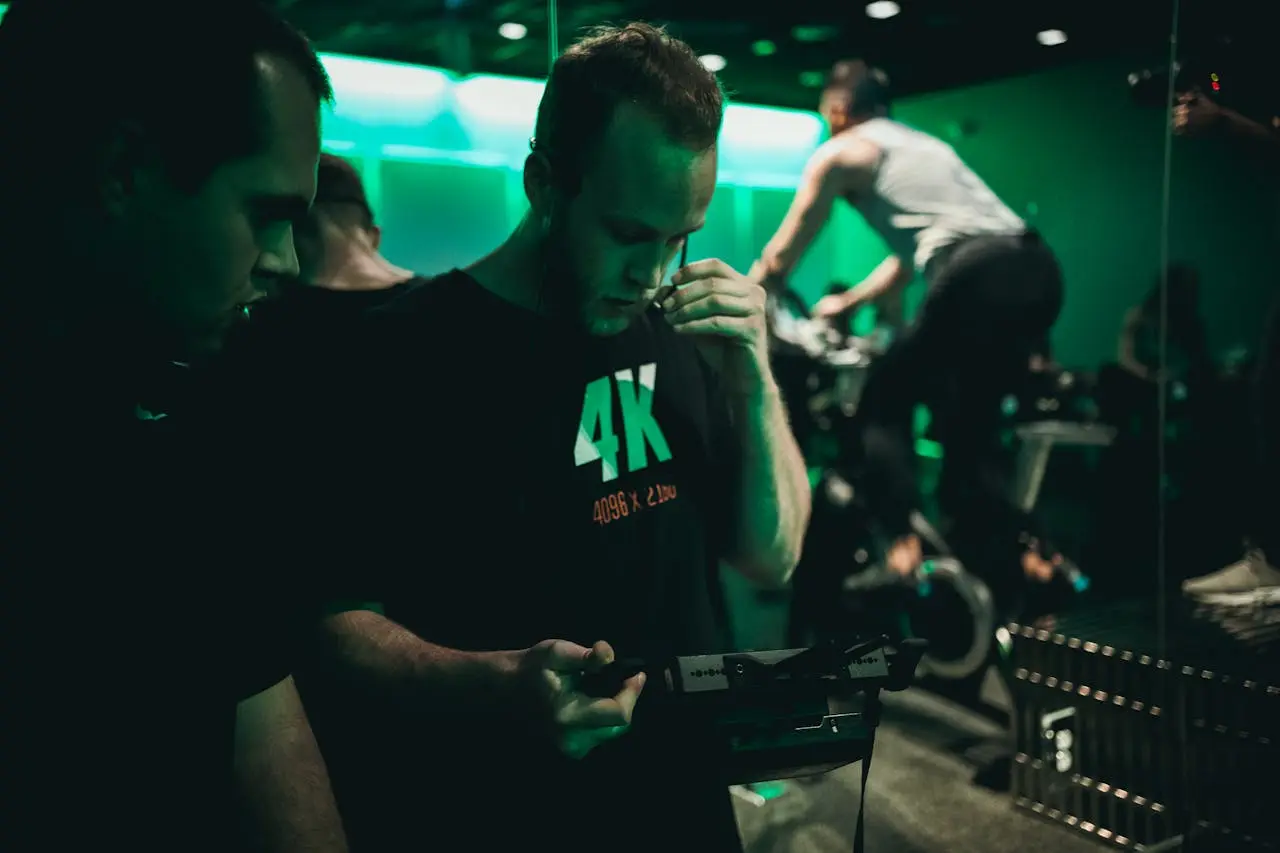
When you need a crew in a city or country you are unfamiliar with, crewing agencies and professional hiring services can save time and reduce risk. These services maintain databases of vetted production professionals and help match your project with teams that fit your scope, schedule, and technical needs. Instead of starting from zero in a new market, you gain access to reliable local talent with proven experience and familiar working standards.
Key benefits of using crewing agencies include:
- Pre-vetted professionals: Agencies usually screen experience, skills, and reliability.
- Quick matching: You describe your project and they recommend crew who fit your requirements.
- Budget guidance: Many agencies can advise on standard rates in that region and help you maximize your budget.
- Local insights: They often know permit requirements, equipment rental partners, and logistics contacts.
Global marketplaces and specialized staffing platforms connect production teams across regions, making international projects more manageable. Networks such as Get Camera Crew work in a similar way by linking businesses with trusted local production teams worldwide, offering consistent quality, reliable coordination, and smoother production workflows across different locations.
Explore Online Platforms and Crew Directories
In addition to agencies, there are powerful online tools and crew directories that allow you to search for production talent directly from your desk. These tools let you screen profiles, review portfolios, and often contact crew members directly.
Popular options include:
- Industry-specific directories: Such as Mandy, Staff Me Up, ProductionHub, and The Crew Network, which list crew members with detailed experience and location filters.
- General freelance marketplaces: Sites like Upwork or specialized listings on video-related sites can provide access to freelancers for specific roles like editing or sound design.
- Film community forums: Online forums and social media groups for filmmakers often have job boards or member recommendations.
Using online platforms expands your reach far beyond your local circle and helps you find crew members who match your technical needs and cultural context.
Also read: The Benefits of Having a Long-Term Video Production Partner
Connect With Local Film Commissions and Communities
Local film commissions are government or nonprofit organizations that support production activities and attract crews to their region. Many of these organizations keep lists of local crew resources, production partners, and logistical support services.
Connecting with a film commission can help you:
- Access a curated list of local professionals
- Receive support with shooting permits, regulations, and location scouting
- Discover regional incentives or rebates for production
- Meet local partners who know the area well
Local film communities, clubs, and schools also offer valuable talent networks. Joining online groups or visiting local filmmaking meetups can help you build grassroots connections with emerging talent who can support parts of your production.
Vet Candidates Carefully With a Structured Interview
Once you narrow down potential crew members, vetting them thoroughly is essential. This should include both their technical skills and how well they fit with your team’s culture and working style.
Try these vetting steps:
- Review past work: Ask for a showreel or portfolio that reflects similar projects to yours.
- Check references: Talk to previous collaborators to verify reliability and professionalism.
- Discuss logistics: Clarify availability, equipment needs, and willingness to travel.
- Ask about challenges: Ask how they handle unexpected changes or high-pressure situations.
- Evaluate communication: Clear and proactive communication is a strong indicator of a smooth working relationship.
Good vetting helps ensure the crew not only has the skills you need but also aligns with your workflow and expectations.
Consider Logistics and Local Expertise
Hiring remote crew often means navigating language differences, cultural practices, local regulations, and equipment access. Local crew members can be especially valuable because they understand these factors intuitively.
Hiring local crew gives you benefits such as:
- Language and cultural fluency: Reducing miscommunication and ensuring smooth on-set collaboration.
- Regional knowledge: Crew may know the best locations, timing, permit processes, and local vendors.
- Equipment access: Local partners can often secure gear faster and at better rates than international rentals.
- Regulatory compliance: Knowledge of labor laws and filming permits helps keep production on track.
Local expertise not only improves production quality but also helps you anticipate and avoid common obstacles when shooting in a foreign environment.
Build Relationships for Future Projects
Once you find a great crew, treat the relationship as an ongoing partnership rather than a one-time transaction. Consistent communication, timely feedback, and fair payment build trust over time and encourage higher commitment on future projects. Simple actions such as sharing project results, acknowledging strong performance, and being transparent about upcoming opportunities strengthen professional rapport. A reliable network reduces the time spent on vetting and onboarding for each new shoot, which keeps planning faster and lowers operational stress.
A crew that understands your brand tone, workflow, and production standards becomes more proactive on set. They anticipate needs, adapt quickly to changes, and contribute ideas that improve efficiency and creative flow. Over multiple projects, this familiarity raises consistency in visual quality and storytelling, helping each production run smoother and deliver stronger results with less friction.

Red Flags to Watch for When Hiring Crew
Knowing what to avoid matters just as much as knowing where to look. Early warning signs often appear during the first few conversations, proposal reviews, or portfolio checks. Ignoring these signals can lead to delays, budget overruns, or quality gaps once production begins. Some red flags when hiring a crew include:
- Inconsistent work quality across portfolios: Samples that vary widely in lighting, audio, framing, or storytelling may signal unstable production standards or heavy reliance on freelancers without clear quality control.
- Poor communication or vague responses to questions: Slow replies, unclear answers, or missing details about timelines, deliverables, or crew roles often create confusion later during scheduling and execution.
- Unwillingness to provide references or past client contacts: A professional crew should feel comfortable sharing testimonials, case studies, or direct references that confirm reliability and working style.
- No clear pricing structure or written contracts: Ambiguous quotes, missing scope definitions, or verbal-only agreements increase the risk of hidden costs, scope creep, or disputes.
- Lack of clarity about insurance, permits, or legal requirements: Professional crews should explain liability coverage, filming permits, and local compliance without hesitation. Gaps here can expose your project to legal or operational issues.
If any of these issues surface during vetting, it’s usually smarter to continue your search rather than accept unnecessary risk during production. A careful screening process protects budget stability, timelines, and overall production quality.
Budgeting and Contracts
Budget planning for a production crew goes beyond simple daily rates. In many regions, a professional camera operator may range from roughly USD 300 to USD 1,200 per day depending on experience, market demand, and equipment included, while a full small crew package can reach several thousand dollars per shoot day. Travel costs, accommodation, per diems, local transportation, insurance coverage, permits, and specialized gear often sit outside the base quote. Clarifying what is included in the price avoids surprises later and helps you compare proposals fairly across different locations and vendors.
Clear contracts should be agreed upon early in the process. A well-written agreement outlines scope of work, crew roles, deliverables, production schedule, revision limits, usage rights, cancellation terms, and payment milestones. This protects both sides and keeps the project aligned from planning through delivery. Written documentation reduces misinterpretation and supports smoother collaboration when multiple stakeholders are involved.
International projects introduce extra layers of coordination. Currency exchange rates may affect final costs, bank transfer fees can vary by country, and some regions apply withholding tax or local service taxes. Payment timing, invoicing format, and accepted payment methods should be confirmed in advance to prevent delays. Factoring these elements into your budget planning creates more accurate forecasts and supports steady cash flow throughout production.
Also read: Crafting Perfect Storyboards for Corporate Videos
Frequently Asked Questions About Hiring a Production Crew
What is the easiest way to find a production crew in a new city?
Start with referrals from trusted colleagues or search industry platforms like Mandy, Staff Me Up, and ProductionHub to connect with local professionals.
Should I hire local crew or bring my own team?
Local crew bring cultural and logistical advantages, but bringing trusted key roles like director or DP can maintain consistency. Often a mix works best depending on budget.
How can I verify a remote crew’s experience?
Request portfolios, speak to past clients, and check references to confirm their technical expertise and reliability before committing.
Are there online tools specifically for hiring crew worldwide?
Yes. Platforms such as Filmplace, ProductionHub, and online marketplaces allow you to search and contact crew globally.
How far in advance should I hire my crew?
Hiring well before your shoot date (ideally several weeks to months) gives time for planning, logistics, and any travel or permit arrangements.
Ready to Assemble Your Global Production Team?
Finding a great production crew anywhere in the world takes planning, networking, clear communication, and the right tools. From referrals and crewing agencies to online directories and local expertise, these strategies help you put together a reliable team that understands your vision and can bring it to life.
Whether your project is a branded film, corporate video, commercial shoot, or live broadcast, having the right crew makes all the difference.
Contact Get Camera Crew to connect with vetted professionals, clarify your needs, and build a production team tailored to your project goals. Let us help you find great crew, no matter where you’re filming.





.svg)