

Table of Contents
Corporate videos rarely fail due to poor equipment or lack of talent. More often, they fall short because the vision was never fully aligned before production began. Ideas live in emails, conversations, and loose scripts, yet no single reference ties everything together visually. This gap is where storyboards play a central role. A well-prepared storyboard turns intention into direction, helping teams move forward with clarity rather than guesswork.
For brands investing in corporate video, storyboards are not decorative sketches. They are working documents that shape the entire production process. Get Camera Crew treats storyboards as a core planning tool, guiding projects from early concepts through filming and final edits.
From Ideas to Visual Direction
Every corporate video starts as an idea. Sometimes it is a marketing goal, sometimes a leadership message, sometimes a product explanation. At this stage, ideas tend to stay abstract. Teams discuss tone, audience, and messaging, yet everyone imagines something slightly different.
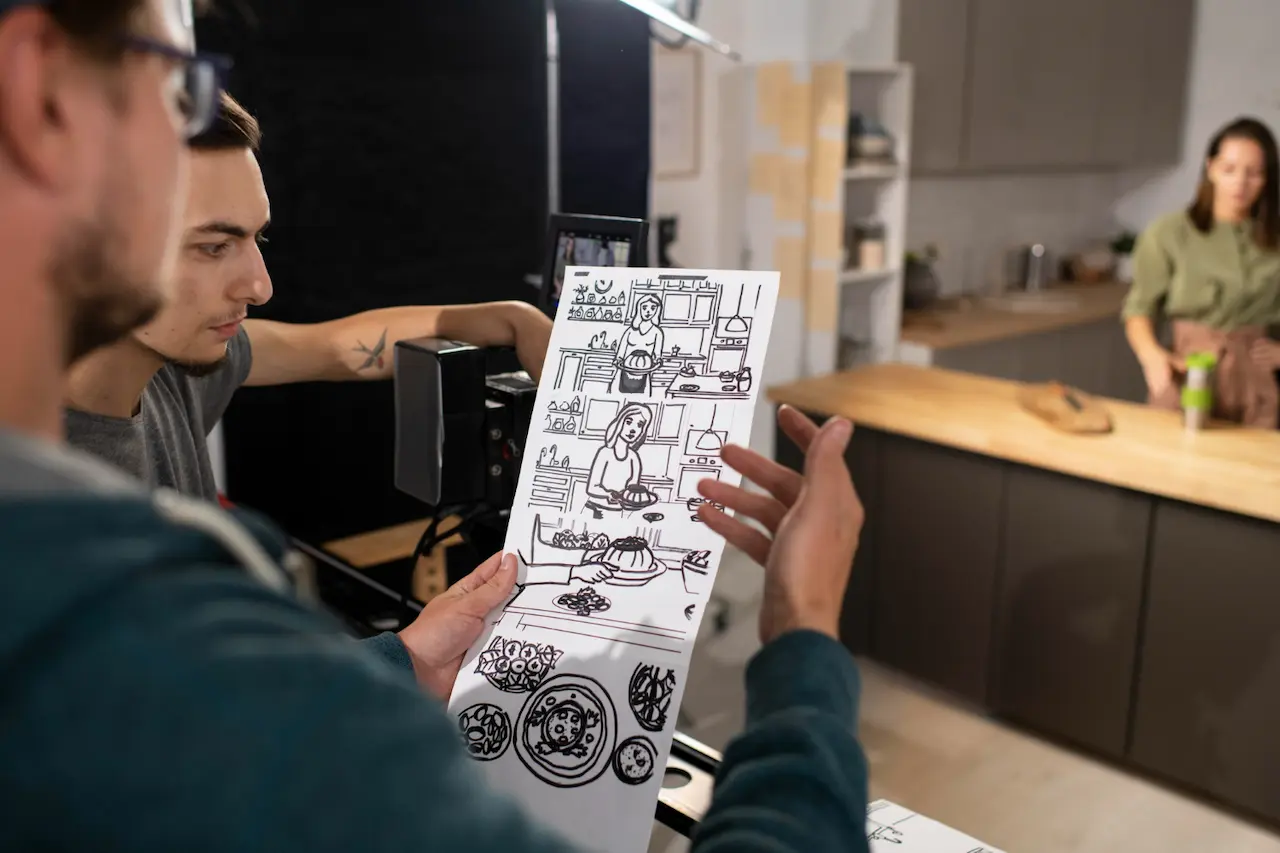
Storyboards close that gap. They convert abstract thinking into concrete visual direction. Each frame shows what the audience will see, how the scene is composed, and how one moment connects to the next. This visual clarity prevents misinterpretation before it becomes expensive to fix.
Relying only on verbal explanations or written scripts often leads to confusion. One person imagines a wide shot, another expects a close-up. A storyboard removes ambiguity. Get Camera Crew introduces storyboarding early to align creative vision before cameras roll.
The Practical Role of Storyboards in Pre-Production
In corporate video pre-production, a storyboard functions as a central reference point. It outlines how the video flows visually from start to finish. This includes framing, camera movement, pacing, and transitions between scenes.
A corporate video storyboard allows creative teams, production crews, and clients to speak the same visual language. Instead of long explanations, teams can point to a frame and discuss it directly. This speeds up decision-making and reduces misunderstandings.
Storyboards guide planning across departments. Directors plan shots, producers plan schedules, crew plan equipment, and editors anticipate structure. Clients gain confidence knowing what the final video will look like before filming begins. This shared reference keeps the project grounded and efficient.
Connecting Narrative Flow With Visual Logic
Strong corporate videos follow a clear structure. There is an opening that sets context, a middle that delivers information, and a closing that reinforces the message or action. Storyboards help shape this structure visually rather than leaving it to chance during editing.
By breaking the narrative into visual sequences, storyboards support message clarity. Each scene serves a purpose, and transitions feel intentional. This prevents overcrowded scenes where too much information competes for attention.
Visual logic matters just as much as narrative logic. A storyboard helps balance dialogue, visuals, and on-screen text. Viewers absorb information more easily when visuals support the message rather than distract from it. This approach leads to corporate videos that feel focused and easy to follow.
What Goes Inside a Professional Corporate Storyboard
A professional corporate storyboard includes more than simple sketches or rough ideas. It works as a functional planning tool that guides decisions across filming, lighting, performance, and editing. Each frame communicates intent, helping every team member see how the video will come together before cameras roll.
Key elements usually included are:
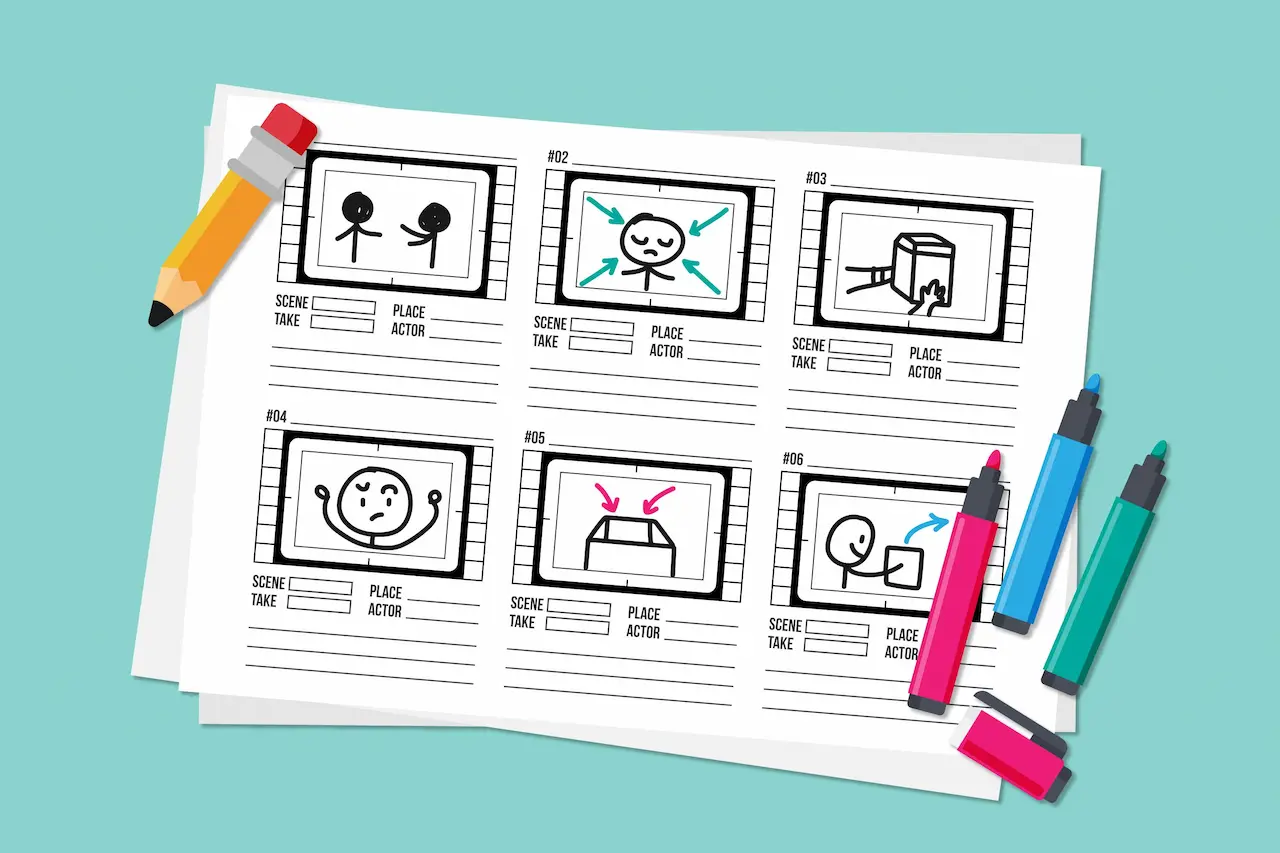
- Frame-by-frame visual references that show composition, subject placement, and screen balance
- Camera angle and movement notes such as wide shots, close-ups, pans, push-ins, or static frames
- Dialogue, voice-over, or timing indicators linked to each scene to support pacing
- Text overlays or graphic placeholders for titles, captions, call-to-action elements, or branding
- Scene transitions and rhythm cues that guide flow and maintain visual continuity
These elements keep the storyboard practical and usable during production. They help crews prepare equipment accurately, support presenters with clearer expectations, and give editors a reliable structure to follow. Overly complex storyboards slow teams down and create confusion. Get Camera Crew keeps storyboards readable, structured, and focused on execution rather than artistic perfection, allowing projects to move forward with confidence and clarity.
Also read: How Color Grading Boosts Quality in Corporate Videos
Laying the Groundwork Before Storyboarding Starts
Effective storyboarding begins well before the first frame is drawn. Preparation shapes how useful the storyboard becomes and determines how smoothly the rest of the production will run. Without this early clarity, even a well-drawn storyboard can miss its purpose or drift away from business goals.
This groundwork usually includes:
- Clarifying the core purpose of the video and what success should look like
- Defining the intended audience and the context in which the video will be viewed
- Confirming key messages and the primary call-to-action
- Aligning on brand tone, visual style, and level of formality
- Gathering internal input early to avoid late-stage changes
When these points are clear, storyboarding becomes faster and more accurate. Each frame serves a defined role rather than acting as filler. Teams spend less time debating direction and more time refining execution. Revisions decrease, approval cycles shorten, and production stays on schedule.
Why Storyboards Save Time on Set and in Post
Production days move quickly, and decisions made under pressure often lead to delays or missed opportunities. Without clear visual planning, teams spend valuable time adjusting shots, rethinking angles, or clarifying intent on the spot. Storyboards reduce this uncertainty by outlining exactly what needs to be captured and why it matters.
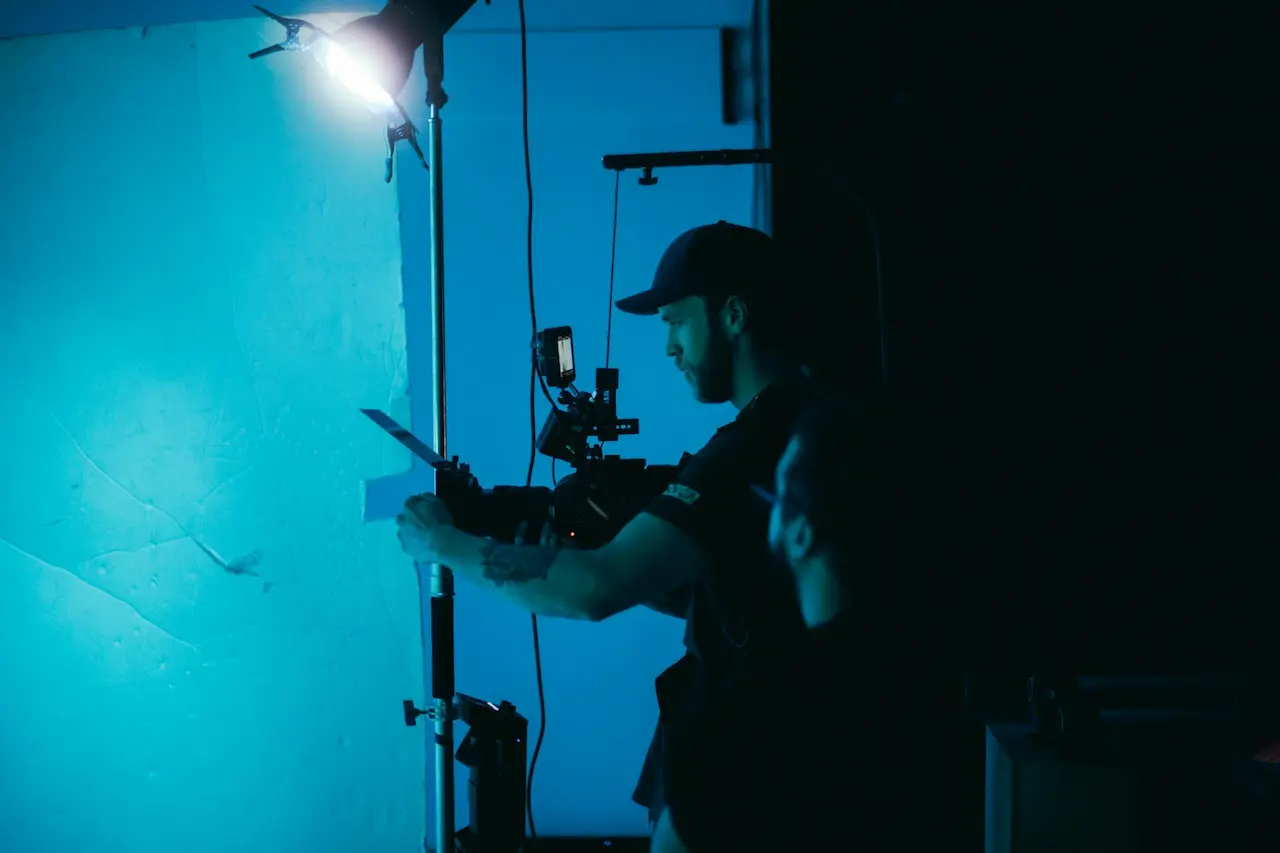
Crews prepare equipment and lighting more accurately once shot intent is defined. Camera setups are chosen with purpose, locations are used efficiently, and time is allocated properly across scenes. This creates a more controlled shoot environment and lowers the risk of missing key moments.
Editors benefit just as much during post-production. A storyboard provides clear guidance on structure, pacing, and shot priority. Editors know which visuals anchor the story and how scenes should connect, which reduces trial-and-error editing. Fewer revision rounds are needed, timelines tighten, and the final delivery stays aligned with the original vision.
Where Projects Often Go Wrong Without Storyboards
When storyboards are skipped, problems tend to surface later in production.
Common issues include:
- Unclear visual expectations between teams
- Scenes that feel disconnected or inconsistent
- Messaging that competes rather than supports
- Last-minute creative changes
- Inefficient use of shoot time
These issues often lead to reshoots or heavy editing compromises. Costs rise, timelines stretch, and the final result feels weaker than intended.
Get Camera Crew avoids these outcomes by following a structured pre-production workflow. Storyboards anchor the project and reduce uncertainty at every stage.
Projects That Benefit Most From Detailed Storyboarding
Some corporate videos can survive with minimal planning. Others benefit greatly from detailed storyboards.
Projects that gain the most value include:
- Brand and corporate profile videos
- Leadership or executive communications
- Product explainers and demonstrations
- Training and internal communication content
- Campaign videos requiring multiple cut-downs
In these cases, storyboards help maintain consistency across long-form and short-form outputs. A single storyboard can guide multiple versions of the same content, ensuring visual continuity and message clarity.
Also read: How to Bring a Cinematic Look to Your Corporate Videos
People Also Ask
What is a storyboard in corporate video production?
A storyboard is a visual plan that outlines each scene of a corporate video. It shows framing, pacing, and transitions, helping teams visualize the final result before filming.
How does storyboarding improve video results?
Storyboarding improves clarity, alignment, and efficiency. It reduces confusion, supports stronger storytelling, and leads to more consistent outcomes.
Are storyboards necessary for every corporate video?
Not every project requires a detailed storyboard. Videos with multiple scenes, stakeholders, or messages benefit most from structured visual planning.
Can storyboards help control production costs?
Yes. Storyboards reduce reshoots, limit wasted shoot time, and shorten editing cycles, all of which help manage production costs.
Bringing Structure to Your Next Video Project
Storyboards bring structure to creative ideas. They align teams, clarify expectations, and reduce friction across production and post-production. Corporate videos planned with strong storyboards move forward with confidence rather than guesswork.
Preparation shapes outcomes. When visual direction is clear from the start, filming runs smoothly and editing stays focused. The final video communicates its message with clarity and purpose.
Planning a corporate video and want a clearer production process from the start? Contact Get Camera Crew to create structured storyboards that turn ideas into focused, professional video content.


.svg)