


Table of Contents
Artificial intelligence is reshaping the video production industry in profound ways, and companies of all sizes are taking notice. From concept to delivery, AI tools are transforming how videos are planned, produced, and distributed. At Get Camera Crew, we have seen firsthand how these technologies are influencing workflows, creativity, and efficiency across modern video projects. As AI capabilities evolve, the industry is experiencing shifts in labor, output, and the very nature of storytelling itself. This article explores these shifts in depth, examining both opportunities and challenges as AI continues to change the video production landscape in 2026.
AI’s influence reaches across every stage of the video production process, promising to enhance productivity while opening up new creative possibilities. Although the pace of change and its long-term effects are still emerging, current trends signal a transformation that echoes past innovations in filmmaking technology. In some areas, AI is already helping creators achieve results faster and more cost effectively. In others, ethical questions, rights issues, and concerns about creative integrity are driving thoughtful debate about how AI should be used responsibly.
The Rise of AI in Pre-Production
One of the earliest areas where AI is making a major impact is in pre-production planning. Traditionally, this phase involves brainstorming ideas, script writing, creating storyboards, and mapping out the logistical aspects of a shoot. AI tools now assist with many of these tasks.
For example, algorithms can analyze script drafts to identify characters, locations, and props. This kind of breakdown, once done manually, can now be generated in minutes with AI software. These tools also help teams visualize storyboards and suggest shot lists that optimize pacing and coverage. By speeding up tasks that once took weeks, AI allows creators to refine their vision earlier in the process, laying a more solid foundation for the project ahead.
AI also helps tackle scheduling challenges by combining factors like weather forecasts, actor availability, and location constraints to generate optimized shooting schedules. This kind of smart planning can reduce downtime on set and help avoid costly reshoots, making production more efficient and less stressful.
Effects of AI on Video Production
Text to Video Generators
Text to video technology has emerged as one of the most exciting developments in artificial intelligence for media production. These platforms rely on advanced machine learning models to transform written prompts into fully formed video sequences. Instead of building scenes frame by frame, creators can input descriptive text and receive animated visuals, camera movements, transitions, and even background elements generated automatically. This dramatically shortens production timelines and lowers barriers to entry, allowing businesses, educators, and content creators to produce professional looking videos without traditional studio resources.
The speed advantage is significant. What once required weeks of scripting, storyboarding, filming, and editing can now begin with a single prompt and be refined within hours. Text to video tools allow teams to test multiple concepts quickly, experiment with tone and structure, and personalize content for different audiences. This flexibility is particularly valuable for digital marketing campaigns, online courses, social media storytelling, and entertainment content that demands fast turnaround.
Key benefits of text to video generators include:
- Faster concept visualization from simple written prompts
- Reduced production costs for early stage content
- Easy customization for different platforms and audience segments
- Rapid iteration for A B testing and performance optimization
- Greater accessibility for small businesses and independent creators
One of the most talked about innovations in this space is OpenAI’s Sora, a powerful text to video model that showcases how far the technology has advanced. Sora uses deep learning to interpret complex descriptions and translate them into cohesive visual scenes. It can generate videos that reflect the tone, pacing, and style suggested by the original text prompt. The system is capable of simulating realistic environments, character movements, lighting effects, and camera angles with impressive detail.
Sora also demonstrates how multimodal AI is shaping production workflows. It can incorporate visual references, environmental cues, and contextual elements into a single output. In future iterations, tools like this are expected to integrate sound design, voice synthesis, and interactive elements within the same workflow. Although not yet publicly available, developers continue refining safeguards and addressing potential risks before broader release. As these systems mature, they are likely to become part of mainstream creative pipelines.
Still, text to video generators are not a full replacement for human production teams. They work best as creative accelerators. Professionals remain essential for shaping strategy, refining narratives, directing visual style, and maintaining brand consistency.
AI in Scriptwriting
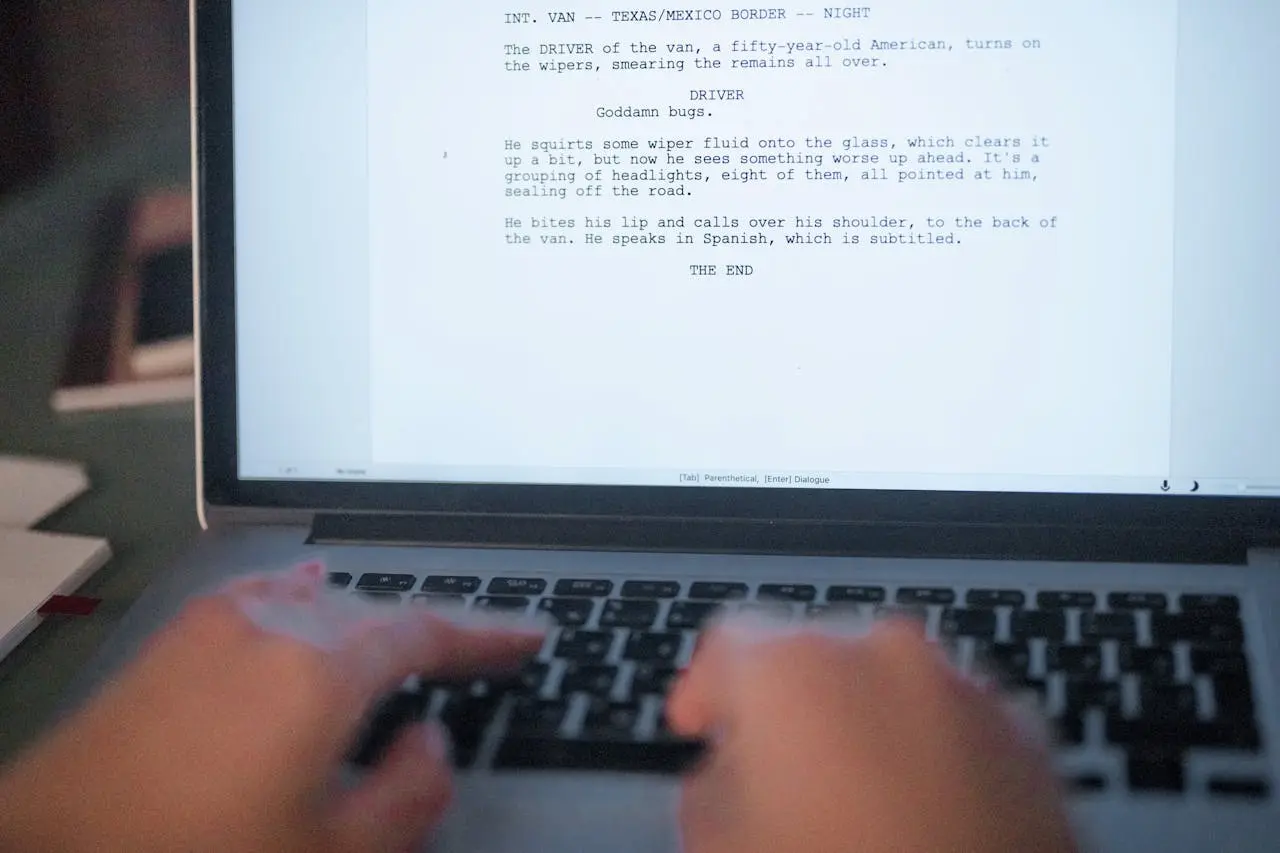
Another major application of AI in production is script development. Crafting a compelling script for a short video can be challenging, especially when trying to balance clarity, persuasion, and emotional impact within tight time limits. AI powered writing tools can assist by generating outlines, drafting dialogue, suggesting structure, and adapting tone for different audiences.
AI can support scriptwriting in several ways:
- Generating first draft concepts from brief prompts
- Summarizing complex information into concise messaging
- Rewriting content for different formats such as ads, explainer videos, or social posts
- Adjusting tone for formal, conversational, or educational styles
- Assisting with keyword integration for SEO driven video content
This capability speeds up pre production and helps teams overcome creative blocks. For example, marketers can input product features and receive a structured narrative arc. Educators can convert lesson summaries into engaging script formats. Production teams can draft multiple variations to test different messaging strategies.
Even with these advantages, human oversight remains essential. AI generated scripts may lack emotional nuance, cultural sensitivity, or brand specific voice. Automated text sometimes includes repetitive phrasing or generic transitions that feel mechanical. A skilled copywriter brings interpretation, creativity, and empathy into the process.
Experienced writers contribute:
- A strong grasp of storytelling techniques and pacing
- Sensitivity to audience expectations and emotional triggers
- The ability to align messaging with brand identity
- Cultural awareness and contextual judgment
- Collaborative communication with directors and producers
Human writers refine AI drafts by removing unnatural phrasing, enhancing emotional resonance, and shaping a clear call to action. They can identify when a narrative feels flat or disconnected and introduce creative elements that build engagement. The most effective workflow blends AI efficiency with human creativity rather than replacing one with the other.
AI Voice Over Technology

AI powered voice over tools have reshaped how narration is created for videos. By converting written scripts into natural sounding speech within minutes, these systems reduce the need for studio bookings and lengthy recording sessions. Using advanced speech synthesis models trained on large voice datasets, AI can replicate various tones, accents, and speaking styles that closely resemble human delivery.
Producers benefit from faster turnaround times and flexible revisions. If a script changes, the narration can be regenerated instantly without coordinating new recording sessions. Settings such as pacing, pitch, and emphasis can be adjusted directly in the software to match the tone of the project. This makes AI voice tools highly practical for explainer videos, training modules, social media ads, and multilingual campaigns.
Key advantages include:
- Instant audio generation from text
- Lower production costs for high volume content
- Multiple voice styles and language options
- Quick revisions and tone adjustments
AI Transcriptions and Subtitles
AI driven transcription tools automatically convert spoken dialogue into written text. Platforms like YouTube have long used automated captioning, and modern systems now offer improved accuracy and faster processing. Once a video file is uploaded, AI identifies speech patterns, generates captions, and aligns them with timestamps in minutes.
This technology improves accessibility and engagement. Many viewers watch videos without sound, especially on mobile devices, so subtitles help maintain attention and boost completion rates. Transcripts also improve SEO performance, since search engines can index the written content from videos.
Benefits of AI transcription tools include:
- Fast caption generation for long videos
- Better accessibility for diverse audiences
- Increased engagement on silent autoplay platforms
- Repurposing video content into blogs or articles
Human review is still recommended to correct technical terms, accents, or background noise errors, but the time saved remains substantial.
AI Powered Video Analytics
Artificial intelligence now plays a major role in analyzing video performance. Instead of manually reviewing metrics, AI systems process large amounts of viewer data to identify patterns in engagement, retention, and conversions. These insights help brands refine their content strategy with measurable evidence.
AI tools can reveal details such as optimal video length, high performing opening scenes, or common drop off points. With this information, teams can adjust structure, pacing, and messaging to improve results in future campaigns. This transforms video marketing from guesswork into a data informed strategy.
AI analytics can help identify:
- Best performing video length
- Strongest opening visuals
- Engagement trends across platforms
- Opportunities for content optimization
For businesses producing content consistently, AI driven analytics provide clarity on what resonates most with their audience and where improvements can be made.
The Future of AI in Video Production
Looking ahead, experts believe AI will continue to expand its role throughout the production ecosystem. McKinsey reports that AI has the potential to redefine workflows and even the structure of production companies, with companies experimenting and adjusting strategies as they adopt new tools.
AI is expected to further blur the lines between pre-production, production, and post-production as integrated tools streamline complex processes. Studios that embrace AI responsibly can achieve both faster turnaround and higher creative output without compromising artistic standards.
Human creativity is still central to compelling videos, and most leaders agree that AI serves best as an amplifier of human imagination rather than a replacement. The future likely holds a hybrid model where AI handles technical tasks and humans focus on narrative, emotion, and brand connection.
FAQ: How AI Is Changing the Video Production Industry
What parts of video production are most affected by AI?
AI influences pre-production planning, post-production editing, and content personalization, helping streamline workflows and reduce time spent on manual tasks.
Will AI replace human editors and creators?
No. AI automates repetitive tasks but does not replace human judgment, storytelling, and creative strategy. It allows professionals to focus on higher-value creative work.
Does AI make video production cheaper?
Yes. By automating tasks like editing, transcription, and content repurposing, AI reduces time and cost, making professional-grade video more accessible.
Is AI adoption widespread in the industry?
Many production companies and creators already use AI tools, and adoption continues to grow as software becomes more capable and accessible.
What ethical concerns exist around AI in video?
Issues include copyright training data, synthesized performances without consent, and ensuring that AI does not diminish human creative roles.
Ready to Blend Human Creativity with Smart AI Tools?
AI is reshaping the video production industry, making workflows faster, more efficient, and more accessible than ever before. At Get Camera Crew, we combine deep industry expertise with emerging technologies to deliver high-quality videos that resonate with audiences while optimizing production efficiencies. Whether you are launching a brand campaign, producing corporate video, or exploring innovative formats, partnering with an experienced team can help you navigate the evolving landscape of AI-assisted production.
If you want to explore how AI can enhance your next project or discuss strategic video planning, reach out and contact Get Camera Crew to bring your vision to life.




.svg)