

Table of Contents
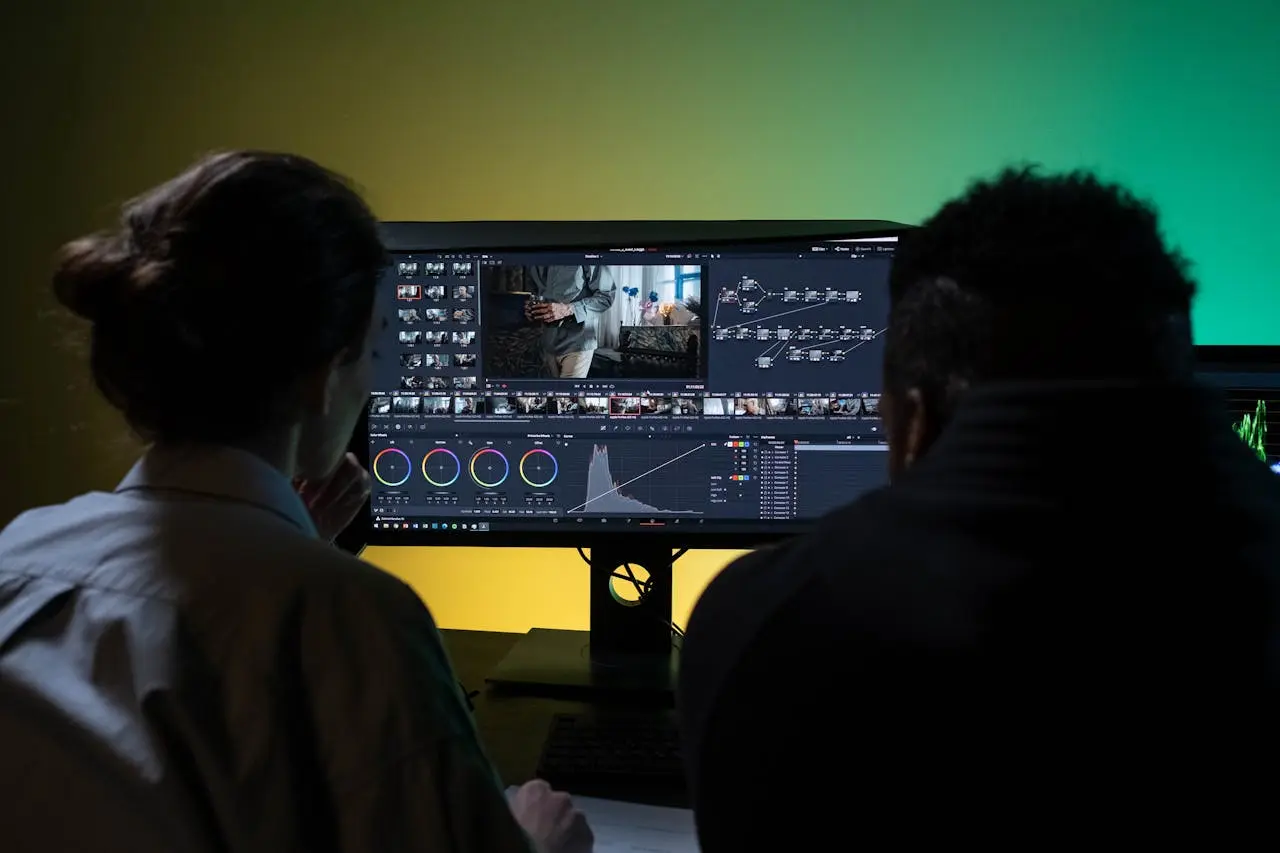
Color grading sits quietly in the background of most corporate videos, yet it shapes the entire look and feel of the final result. Even the most well-planned production can feel flat without proper grading. When handled with care, the right treatment lifts the footage, creates consistency, and gives the message the presence it deserves. For brands that rely on video to communicate ideas, build trust, or present leadership, the final grade can make the difference between something that feels polished and something that feels unfinished.
Get Camera Crew approaches grading as more than a technical step. Each project begins with a look designed to match the brand, the subject matter, and the mood the content needs to reflect. The final video becomes clearer, cleaner, and easier for viewers to connect with.
Why Color Grading Matters for Corporate Videos
Raw footage often appears washed out. This is intentional, cameras capture in a flat profile to save as much detail as possible. Grading unlocks that detail, adding contrast, shaping shadows, and giving skin tones a natural look. The entire video becomes more visually cohesive.
For corporate content, this polish matters. Leadership announcements, product walk-throughs, internal training, recruitment campaigns, and brand commercials all rely on clarity. Viewers associate visual quality with professional quality. A clean grade sends a quiet signal: this brand cares about presentation.
Get Camera Crew applies grades that match the company’s identity. A tech brand might lean toward cool neutrals. A hospitality group may prefer a warmer, softer palette. A financial institution may sit comfortably in neutral, balanced tones. Matching the look reinforces consistency across all video assets.
What Color Grading Does in Post-Production
Grading often gets confused with color correction. They sit in the same part of the process but serve different roles.
Color correction fixes issues in the original footage:
- Balancing white levels
- Fixing exposure
- Repairing mixed lighting
- Normalizing differences between cameras
Color grading refines the mood and final aesthetic:
- Adjusting contrast
- Defining saturation
- Sculpting shadows and highlights
- Shaping the emotional tone through color
- Bringing harmony across every scene and every cut
These adjustments may seem small on their own, yet together they transform the viewing experience. Corporate videos that rely on interviews and office scenes benefit the most. Good grading eliminates muddiness and keeps skin tones clean, which helps viewers focus on the message.
How Color Shapes Brand Identity on Screen

When viewers watch a corporate video, they are not only listening to the message. They are absorbing the brand’s visual character at the same time. Color plays a major role in shaping that first impression and reinforcing how a brand is perceived. A well-chosen grading style gives structure to the visuals and helps the content feel intentional rather than accidental.
A consistent set of tones builds recognition across all video content. Over time, audiences begin to associate certain looks with specific brands, which strengthens recall and trust. Different color approaches support different brand personalities:
- Warm tones create a welcoming and human feel, often used by wellness, hospitality, lifestyle, and people-focused brands
- Cool or neutral tones communicate clarity and professionalism, fitting technology, consulting, logistics, and data-driven companies
- Stronger contrast works well for energetic campaigns such as event highlights, product launches, or promotional content
- Softer contrast supports a calm, premium look that suits leadership messages, internal communications, or corporate storytelling
Color grading also helps align video with existing brand materials. Visual consistency across web design, photography, advertising, presentations, and social content creates a unified brand presence. When the same color identity appears across multiple channels, audiences develop stronger memory and confidence in the brand.
On a practical level, grading improves how individual scenes are perceived. Interviews gain depth through natural skin tones and balanced contrast. Office environments feel cleaner once mixed lighting is corrected. Product shots appear sharper with controlled highlights, and event footage feels more engaging with balanced exposure. In every case, color acts as a guide for emotion and focus, supporting the message without drawing attention away from it.
Also read: 100+ Video Ideas for Business Growth
Grading Techniques That Help Corporate Videos Stand Out
Corporate content often uses more than one camera, or mixes natural and artificial light. These situations introduce variations that grading must unify. A consistent look across all shots makes the edit flow smoothly.
Reliable techniques include:
- Matching multiple cameras for uniform exposure
- Removing color casts from overhead office lighting
- Adding contrast to avoid flat, low-energy visuals
- Directing viewer focus through controlled brightness
- Creating one cohesive style across long-form and short-form outputs
Get Camera Crew applies these techniques with a natural approach. The goal isn’t to create an overly stylized look unless the brand requests it. The result stays clean, premium, and aligned with the intended message.
Smart Prep Before Grading Begins
Smooth color grading starts long before the edit. Good prep shortens revision rounds and shapes the final look with greater accuracy.
Here are useful steps:
- Define the intended mood during pre-production
- Choose whether the final look should lean warm, neutral, or cool
- Plan lighting setups that support that vibe
- Keep brand guidelines ready for reference
- Capture clean footage with consistent exposure
When the team works toward a unified goal from the start, grading becomes more accurate and efficient. This saves both time and editing resources, while keeping the final product visually aligned with expectations.
How Good Grading Improves Viewer Experience
Corporate videos need to hold attention through information-heavy segments. Clean color treatment makes this easier for the viewer.
Consistency between shots creates a smooth visual flow. Sharp contrast and balanced tones help keep the speaker or subject in focus. Skin tones that look natural help audiences feel connected to the people in the video. Tight color control also shapes the video into a more trustworthy piece of content.
When visuals feel refined, viewers stay longer and absorb more of the message. This matters for brand communication, training videos, corporate pitches, and leadership content. A polished look reflects a polished voice.
Mistakes Businesses Make Without Professional Grading
Without a proper grade, videos often fall into issues that distract viewers or lower perceived quality.
Common problems include:
- Harsh or uneven exposure
- Blue or green casts from office lights
- Mismatched scenes shot in different rooms
- Over-saturated colors
- Flat contrast that makes the video feel dull
- Unbalanced skin tones
These problems are hard to ignore once the video is live. They reduce the impact of the message and make even well-shot footage feel cheaper. Get Camera Crew prevents these issues through a structured grading workflow, ensuring that every video looks intentional and unified.
When It’s Worth Investing in Advanced Color Grading
Not every project needs complex grading. Some videos look great with a clean, natural finish. That said, certain types of corporate content benefit from a more advanced approach.
Advanced grading adds strong value to:
- Brand campaigns
- High-end corporate commercials
- Leadership interviews that require a polished tone
- Product demonstrations with fine detail
- Corporate documentaries or long-form storytelling
In these cases, the extra attention to color enhances the video’s shelf life. A well-graded asset supports multiple campaigns, internal productions, and future edits. This makes the investment practical for brands looking to create long-term content.
Also read: How to Balance Creativity and Budget in Video Production
People Also Ask
What does color grading do in corporate videos?
It refines the aesthetic, improves contrast, shapes the mood, and enhances clarity. The final video feels more polished and aligned with the brand.
Does color grading change brand perception?
Yes. Clean, consistent color treatment strengthens trust and signals professionalism. The look becomes part of the brand identity.
Is color correction the same as color grading?
No. Correction fixes technical issues. Grading shapes the creative tone and overall feel.
Can grading improve low-light footage?
It can improve it to a point by balancing shadows and reducing color cast. Still, very poor lighting limits how much can be fixed.
Bring Your Corporate Videos to Life With the Right Color Treatment
A solid color grade gives corporate videos clarity and momentum. It keeps the brand’s tone consistent, strengthens viewer trust, and increases the overall visual quality. Whether the goal is a clean interview, a sharp product demo, or a bold campaign video, the right grade helps shape the final message.
Get Camera Crew supports companies at every stage of the process. Each production follows a visual direction built around the brand’s identity, producing content that feels polished from the first frame to the last.
Looking for a production team that delivers well-graded, professional corporate videos? Contact Get Camera Crew to create clear, purposeful visuals with a look that fits your brand identity.



.svg)