

Table of Contents
Video podcasts have become one of the most effective ways for brands to connect with audiences, build authority, and create consistent long-form content. At Get Camera Crew, we have seen more businesses shift toward video podcasting because it combines storytelling, education, and brand visibility into one format. Instead of relying only on short social media posts, brands now use podcasts to create deeper conversations and stronger audience relationships.
A video podcast gives your business more than just content. It creates a platform where your brand voice becomes familiar and trusted over time. Whether you want to interview industry experts, share insights, or discuss trends in your niche, a video podcast can help position your business as a reliable source in your industry.
This guide explains how to start a video podcast for your brand, from planning and equipment to recording, promotion, and long-term growth.
Why Video Podcasts Are Growing So Fast
Video podcasting has expanded rapidly in recent years as audiences consume more content on platforms like YouTube, Spotify, TikTok, and LinkedIn. Many brands now see podcasts as a long-term content strategy rather than just a trend. Platforms that support video podcasting continue to grow, making visual content more accessible than ever.
Another reason for this growth is content repurposing. A single podcast episode can become short clips, social media content, blog posts, newsletters, and promotional videos. This makes video podcasting highly efficient for brands trying to maintain a strong content presence.
Benefits of Starting a Video Podcast for Your Brand
Build Brand Authority
A podcast allows your business to share expertise consistently. Over time, this positions your brand as knowledgeable and trustworthy within your industry. Instead of directly selling products or services, you provide valuable discussions that naturally build credibility.
Create Long-Form Content
Short-form videos are useful for visibility, but podcasts allow deeper conversations and more meaningful engagement. Long-form content helps audiences spend more time with your brand and better understand your perspective.
Improve Audience Connection
Seeing faces, reactions, and conversations creates a stronger emotional connection than text alone. Video podcasts help humanize your business and make your brand feel more approachable.
Generate More Content From One Recording
One episode can produce dozens of smaller content pieces. Clips can be shared across Instagram Reels, TikTok, YouTube Shorts, and LinkedIn, helping your brand maximize reach from a single production session.
Step 1: Define the Purpose of Your Podcast
Before buying equipment or planning episodes, you need clarity about your goals. A podcast without direction often struggles to stay consistent.
Think about what your brand wants to achieve:
- Brand awareness
- Thought leadership
- Audience engagement
- Lead generation
- Customer education
- Community building
Many businesses fail because they expect podcasts to create immediate sales. In reality, podcasts work best for trust building and long-term visibility.
Your purpose will influence everything from the podcast format to the tone and guest selection.
Step 2: Identify Your Target Audience
A successful podcast speaks directly to a specific audience. The more focused your audience is, the easier it becomes to create relevant content.
Ask yourself:
- Who do you want to reach?
- What problems do they face?
- What topics interest them?
- What type of conversations would they enjoy?
Audience research helps shape episode ideas and keeps your content aligned with viewer expectations. Understanding your audience early also improves your marketing strategy later.
Step 3: Choose the Right Podcast Format

There are several podcast formats, and each one serves different goals.
Interview Podcast
This format focuses on conversations with guests such as industry experts, clients, creators, or business leaders. Interview podcasts work well for networking, building credibility, and bringing fresh perspectives into your content. They also help expand your reach since guests often share episodes with their own audiences, helping your brand gain additional visibility.
Solo Podcast
A solo podcast centers around one host sharing insights, opinions, or educational content directly with the audience. This format works well for personal branding and establishing authority within a specific niche. It also gives you more control over episode structure and scheduling since you do not need to coordinate with guests or co-hosts.
Co-Host Podcast
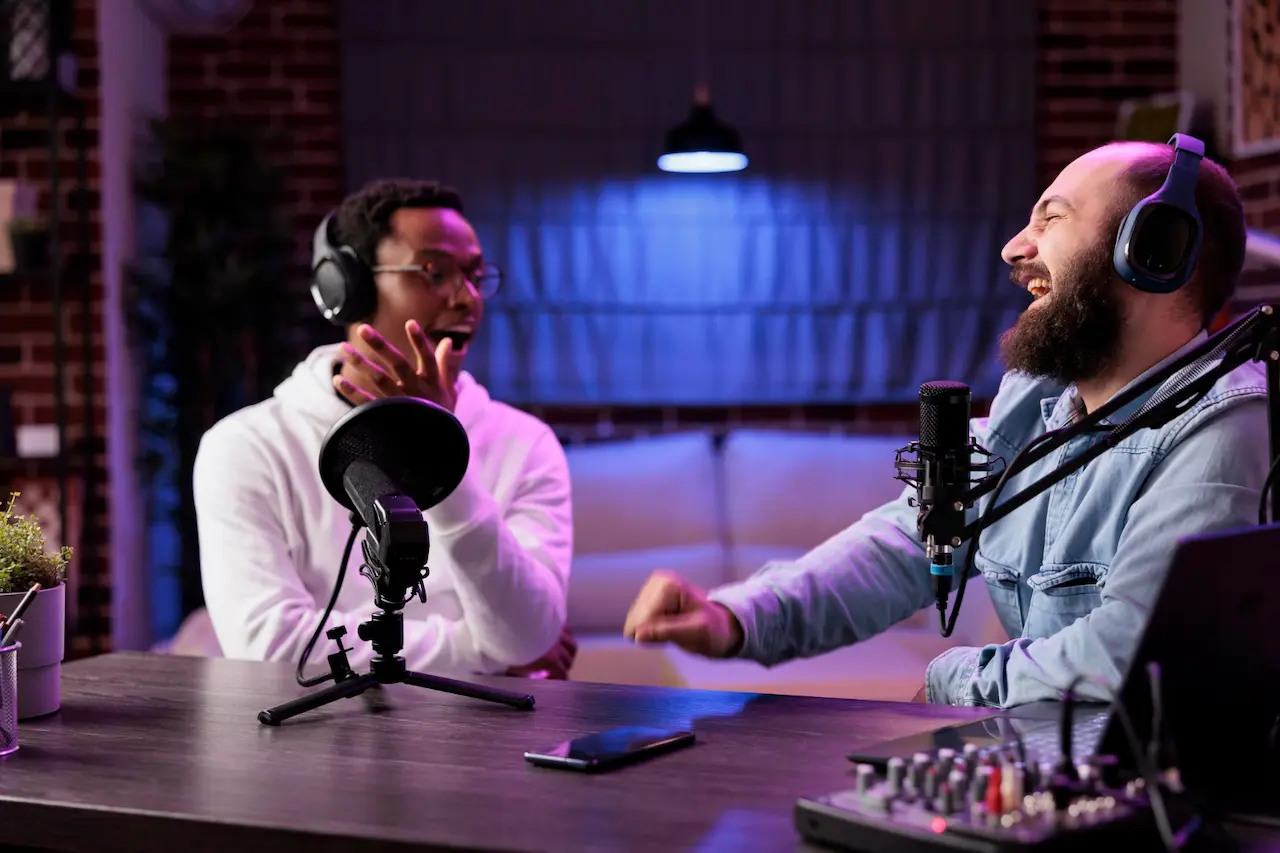
A co-host podcast features two or more people discussing topics together, creating a more conversational and energetic style. The interaction between hosts often makes episodes feel more natural and entertaining, which can improve audience engagement. This format also allows different viewpoints and personalities to keep discussions dynamic and relatable.
Educational Podcast
Educational podcasts focus on teaching, explaining concepts, or sharing industry knowledge in a structured way. These podcasts are especially effective for brands in professional, technical, or service-based industries where audiences actively search for guidance and expertise. Educational content can help position your brand as a trusted resource while providing long-term value for listeners.
Also read: Video Production Quote Guide: Costs and What to Know
Step 4: Plan Your Content Strategy
Consistency matters more than perfection in podcasting. A clear content plan helps you stay organized and avoid running out of ideas.
Create Core Topics
Choose several recurring themes or categories related to your industry and audience interests. Having core topics gives your podcast structure and makes brainstorming future episodes much easier. It also helps audiences understand what your podcast is about and what kind of value they can expect from each episode.
Build an Episode Calendar
Planning episodes in advance allows you to stay consistent and reduce last-minute stress. An episode calendar helps organize recording schedules, guest appearances, promotional plans, and publishing dates. Batch planning several episodes at once can also improve workflow and keep your content pipeline active even during busy periods.
Keep Episode Length Consistent
Consistency in episode length helps audiences develop expectations and viewing habits. While there is no perfect duration, many creators recommend starting with manageable episode lengths and adjusting based on audience response over time. Maintaining a predictable structure also makes your podcast feel more professional and easier to follow.
Focus on Sustainability
Your podcast schedule should match your available time and resources so you can maintain it long term. Publishing weekly may sound ideal, but consistency is more valuable than frequency. A realistic schedule helps prevent burnout and ensures you can continue producing quality episodes without sacrificing production standards.
Step 5: Choose the Right Equipment
You do not need a massive studio setup to start a video podcast. Many successful podcasts begin with simple equipment.
- Camera: You can start with a webcam, smartphone, or mirrorless camera. Better cameras improve visual quality, but strong content matters more than expensive gear.
- Microphone: Audio quality is often more important than video quality. A clear microphone makes your content sound professional and easier to listen to.
- Lighting: Good lighting improves production quality significantly. Natural light can work, but LED panels or soft lights create more consistent results.
- Recording Software: Tools like Riverside, Descript, Zoom, and OBS are commonly used for recording podcasts remotely or locally.
Step 6: Create a Professional Recording Setup
Your recording environment affects both audio and visual quality.
- Choose a Quiet Space: Background noise can ruin audio quality. Record in a quiet room with minimal echo whenever possible.
- Use Consistent Framing: Stable camera framing helps your podcast look more professional. Keep the composition clean and avoid distracting backgrounds.
- Test Before Recording: Always test audio levels, lighting, and internet connection before recording. Technical issues can waste valuable recording time.
- Keep Your Setup Simple: Overcomplicated setups often create editing headaches and inconsistency. Many creators recommend starting simple and improving gradually.
Step 7: Record Your First Episode
Once your setup is ready, focus on creating a natural and engaging conversation.
Prepare an Outline
Do not rely completely on improvisation when recording your episode. Creating a simple outline or list of talking points helps keep the conversation focused and organized without making it sound overly scripted. A clear structure also reduces awkward pauses and helps ensure you cover all the important topics you want your audience to hear.
Focus on Authenticity
Audiences usually connect more with genuine conversations than perfectly polished scripts. Natural discussions feel more relatable, which helps viewers stay engaged and trust your brand more easily. Instead of trying to sound overly formal, focus on communicating clearly and allowing your personality or brand voice to come through naturally.
Keep Energy High
Energy and pacing play a major role in how engaging a video podcast feels. A slow conversation with little variation in tone can reduce viewer retention, especially on video platforms where audiences are used to fast-moving content. Keeping the discussion active, responsive, and enthusiastic helps maintain attention throughout the episode.
Avoid Overthinking
Many brands delay launching their podcast because they want everything to be perfect before publishing. In reality, improvement comes through repetition and consistency. Your early episodes do not need to look like a large studio production. Starting now allows you to gain experience, refine your style, and grow more comfortable on camera over time.
Also read: Where to Find Videographers
Step 8: Edit and Polish Your Podcast
Editing improves pacing, clarity, and overall professionalism.
Clean Up Audio
Clear audio is one of the most important parts of a successful podcast. Removing background noise, awkward pauses, and technical distractions helps listeners stay focused on the conversation. Even if your visuals are simple, strong audio quality can make your content feel far more professional and enjoyable to consume.
Add Branding Elements
Branding elements such as intro graphics, lower thirds, transitions, and logos help create a recognizable identity for your podcast. Consistent visuals make your content feel more polished and reinforce your brand image across different platforms. These details may seem small, but they contribute to a more professional overall presentation.
Create Short Clips
One of the biggest advantages of video podcasting is the ability to repurpose content into shorter clips for social media. Highlighting key moments, interesting opinions, or valuable insights can help attract new viewers and drive traffic back to the full episode. Short clips are especially effective on platforms like Instagram Reels, TikTok, and YouTube Shorts.
Avoid Over-Editing
Over-editing can make conversations feel unnatural and overly manufactured. Many podcast audiences prefer content that feels real and conversational rather than perfectly polished. Small pauses, reactions, and natural interactions often make the discussion feel more human and engaging, which helps strengthen audience connection over time.
Step 9: Publish and Distribute Your Podcast
Publishing strategy matters just as much as production quality.
- Upload Full Episodes: YouTube and Spotify are major platforms for video podcasts. YouTube especially helps podcasts gain discoverability through search and recommendations.
- Share Clips Across Platforms: Repurpose short moments into reels and shorts for social media distribution.
- Optimize Titles and Thumbnails: Strong thumbnails and titles improve click-through rates and visibility.
- Maintain a Consistent Schedule: Audiences are more likely to return when they know when new episodes will be released.
Step 10: Promote Your Podcast Effectively
Creating a podcast is only part of the process. Promotion is what helps it grow.
- Leverage Guests: Guests often share episodes with their own audiences, helping expand your reach.
- Use Email Marketing: Email newsletters are effective for notifying subscribers about new episodes.
- Turn Episodes Into Blog Content: Repurposing podcast discussions into articles improves SEO and increases content lifespan.
- Encourage Community Engagement: Responding to comments and questions helps build stronger audience relationships.
Why Professional Production Support Helps
Taiho Podcast, Directed by Get Camera Crew
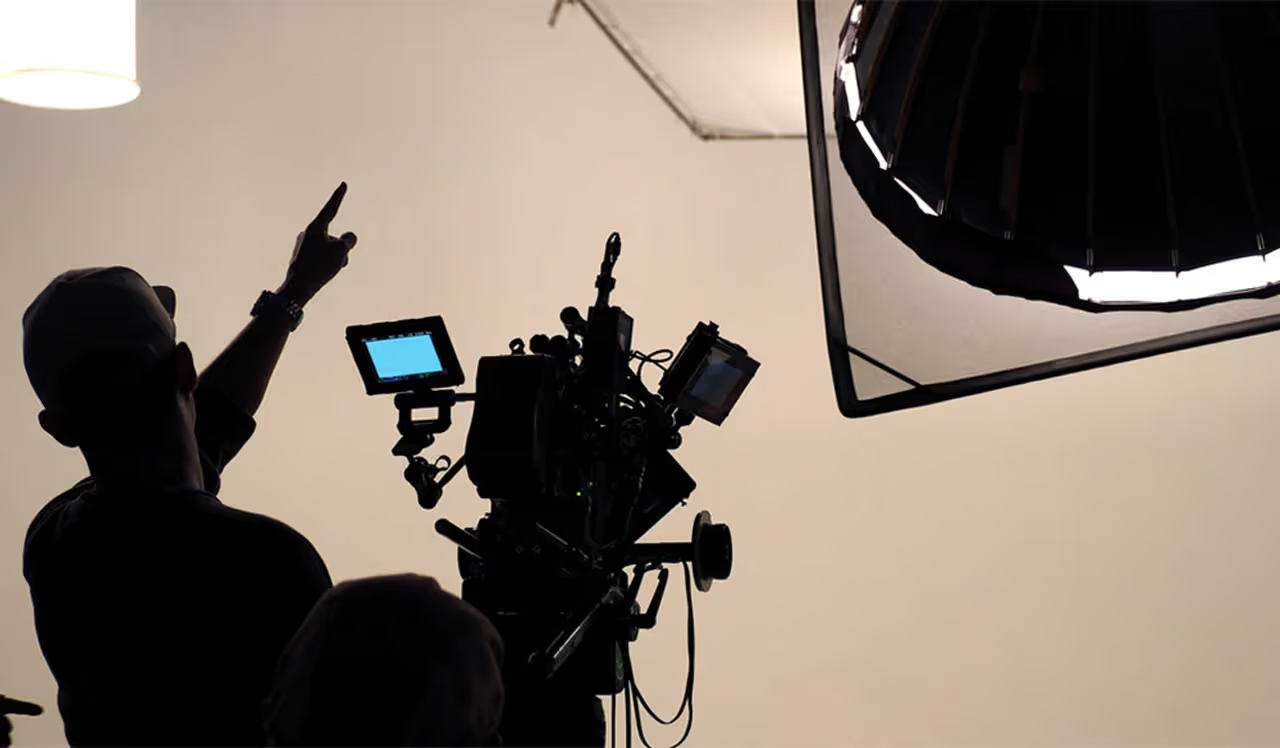
As your podcast grows, professional production support becomes increasingly valuable. Managing cameras, audio, lighting, editing, and distribution takes time and expertise.
Working with a professional video production team allows your brand to focus on conversations and strategy while ensuring your podcast looks polished and consistent.
At Get Camera Crew, we help brands produce professional video podcasts with high-quality visuals, clean audio, and content optimized for multiple platforms. From studio setups to editing and promotional clips, professional production support can significantly improve the overall quality of your show.
Frequently Asked Questions
What is a video podcast?
A video podcast combines traditional podcast audio with video content, allowing audiences to watch conversations instead of only listening.
Do I need expensive equipment to start a video podcast?
No. Many successful podcasts begin with simple cameras, microphones, and lighting setups.
Which platform is best for video podcasts?
YouTube is currently one of the most effective platforms for video podcast growth and discoverability.
How long should podcast episodes be?
Episode length depends on your audience and format, but consistency matters more than exact duration.
Can businesses use podcasts for marketing?
Yes. Podcasts help brands build authority, improve audience trust, and create long-form content that supports marketing goals.
Build a Stronger Brand Through Video Podcasting
A video podcast is more than just another content format. It is a long-term branding tool that helps businesses create stronger audience relationships, share expertise, and build authority over time. With the right strategy and consistent execution, podcasts can become one of the most valuable parts of your marketing efforts.
Starting a podcast may feel overwhelming at first, but the process becomes much easier with proper planning and production support. From equipment setup to editing and content distribution, every stage plays a role in creating a professional experience for your audience.
At Get Camera Crew, we help brands create high-quality video podcasts designed for modern platforms and audiences. Whether you need filming support, editing, studio production, or content repurposing, our team can help bring your podcast vision to life.
If you are ready to launch a professional video podcast for your brand, contact Get Camera Crew today and start creating content that keeps your audience engaged long after the episode ends.


.svg)