

Table of Contents
Video production can be complex, especially when multiple people, locations, and tasks are involved. Without a clear schedule, even small misunderstandings or delays can grow into big problems that stretch deadlines and budgets. That is why thoughtful planning matters. When you work with experienced production partners like Get Camera Crew, scheduling becomes a strategic process that keeps your project on track, aligned with goals, and efficient from start to finish.
A well-structured timeline helps you define expectations for everyone involved, anticipate challenges, and build realistic deadlines that protect creativity and quality. Whether you are planning a short social video or a long corporate series, the schedule you establish sets the pace of the project and reduces the stress that comes with last-minute decision-making.
Let’s walk through a thorough and practical approach to scheduling your next video production timeline.
Start With a Clear Project Roadmap
A roadmap gives you a high-level view of the entire video project and outlines the major steps needed from idea through delivery. It should define your project goals and intended audience, clarify the main creative concepts or themes, outline key deliverables such as rough cuts, final edits, and distribution formats, identify stakeholders and decision-makers, and confirm your desired release or launch date.
When you know where the project is heading, planning the timeline becomes far more structured and predictable. Many experienced teams begin with this initial overview since it shapes every deadline, approval cycle, and production decision that follows. A strong roadmap reduces guesswork, keeps expectations aligned across teams, and creates a clear reference point when priorities or schedules start to shift.
Break the Project Into Key Schedule Sections
A video production timeline is easier to manage when divided into major sections. This helps you allocate time realistically and ensures each phase receives proper attention.
A typical video project can be organized into these major timeline sections:
- Creative Planning
- Pre-Production Scheduling
- Shoot Day Planning
- Post-Production Calendar
- Distribution and Launch Planning
Each section may overlap slightly, but treating them as stages helps maintain clarity and prevent tasks from being overlooked.
Below is a practical explanation of what to plan for within each part.
Creative Planning: Setting the Foundation
This stage often gets grouped into pre-production, yet for scheduling purposes it deserves its own time block since it establishes clarity before any detailed logistics begin. During creative planning, you align on the core message and goals, define the target audience and tone, select the right video format such as an explainer, testimonial, or brand story, and develop an early concept or narrative outline. This phase often includes discussions with key stakeholders to gather input, align expectations, and confirm what success looks like for the finished video.
For timing, allocating around one to two weeks works well for most projects. Teams that already have a clear concept may move faster, while projects involving multiple reviewers or approval layers usually need extra room in the schedule. Allowing enough space here reduces back-and-forth later and helps the rest of the timeline move more smoothly.
Pre-Production Scheduling: Building the Blueprint
Pre-production is where ideas become executable tasks. This stage is one of the most detailed parts of the timeline since decisions made now affect shoot day efficiency and overall quality.
Key activities to schedule for:
- Scriptwriting and Script Lock: Begin with a script draft, then revise based on feedback.
- Storyboarding (Optional): Visual outlines of key scenes help plan camera angles and cuts.
- Shot List: List every shot you need so nothing gets missed on shoot day.
- Location Scouting and Booking: Visit locations and secure permits if needed.
- Casting and On-Camera Talent: Book actors, narrators, or staff participants.
- Scheduling Crew and Equipment: Lock in your production team, cameras, lights, and audio gear.
Timeline Tip: Most projects allocate about 3 weeks for pre-production. If you work with a production team, they may handle many of these tasks directly. Always allow time for revisions and unexpected delays in feedback.
Also read: Corporate Video vs Brand Video: Which One Better?
Shoot Day Planning and Production Calendar
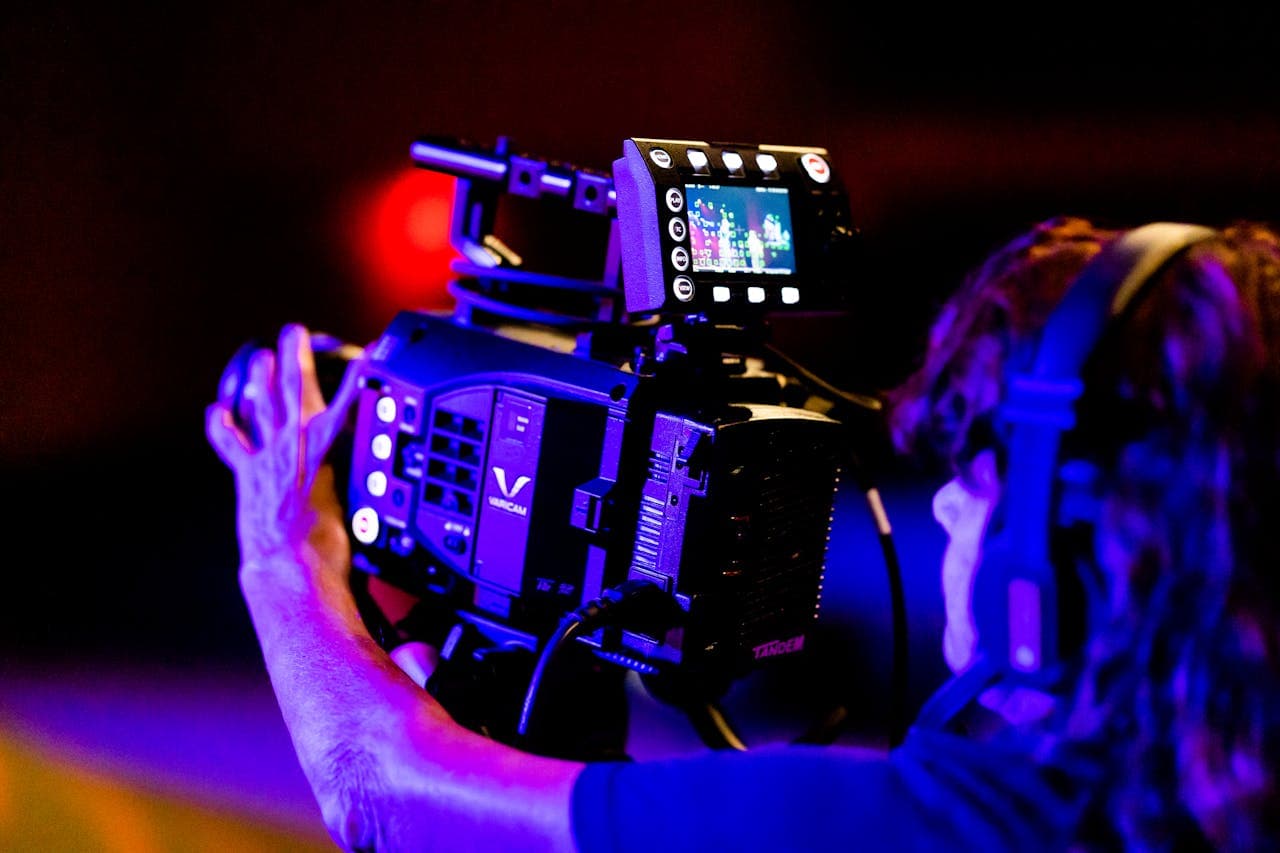
Once pre-production is complete, you are ready to schedule shoot days. Depending on the project’s size and complexity, filming might take just one day or span several back-to-back days.
Here are practical steps to schedule shoot days effectively:
- Build a Call Sheet: A detailed breakdown of who needs to be where and when.
- Include Setup and Tear-Down Time: Gear setup, wardrobe, makeup, and lighting adjustments all take time.
- Schedule Crew and Talent Arrival Times: Avoid last-minute scrambles by staggering arrival times thoughtfully.
- Plan for B-Roll and Extra Footage: Allow time beyond your main scenes to gather supplementary shots.
- Add Buffer Slots: Small windows of unscheduled time help absorb delays without derailing the whole day.
Timeline Tip: For most standard videos, 1–3 days of shooting is typical. Complex productions with multiple locations or large casts may need more.
Post-Production Calendar: Editing and Finalisation
Post-production often takes longer than expected, especially when multiple teams or stakeholders need to review and approve cuts.
A strong post-production schedule includes:
- Assembly Cut Creation: The editor puts all footage into a rough sequence.
- Stakeholder Feedback Rounds: Allow clear windows for comments and changes.
- Audio Mixing and Sound Design: Clean up dialogue, add effects, choose music.
- Color Grading: Finalise visuals for tone and continuity.
- Graphics and Subtitles: Add any essential on-screen elements.
- Final Review and Lock: Set a firm deadline for the final approved version.
Timeline Tip: Aim for at least 2 weeks for post-production. If you know your team takes multiple rounds of revisions, build additional time for feedback and rework.
Plan for Distribution and Launch
Even though distribution comes after the video is finished, scheduling it early ensures your release hits the right moments.
Consider including time for:
- Uploading to platforms (YouTube, Vimeo, company site)
- Scheduling social media posts
- Writing captions and supporting messaging
- Creating thumbnail images or preview clips
- Coordinating email or press releases
Timeline Tip: If distribution planning is included in your schedule, block about 1 week toward the end. Giving your promotion team time to prepare ensures a smooth rollout.
Recommended Timeline Overview
Putting this all together, a typical schedule for a professional video project looks like this. These timeframes reflect a balanced pace that allows for creative thinking, coordination, review cycles, and smooth execution without unnecessary rush.
- Creative planning: 1–2 weeks: This stage covers goal alignment, audience definition, concept direction, and early approvals. Giving this phase enough time helps avoid revisions later that can impact the entire schedule.
- Pre-production: ~3 weeks: This window allows for scripting, scheduling, location coordination, talent booking, equipment planning, and internal reviews. Strong preparation here keeps filming efficient and predictable.
- Shoot days: 1–3 days (depending on complexity): Simpler videos may only need a single shoot day, while multi-location or multi-talent projects often require additional days and buffer time for setup and transitions.
- Post-production: ~2 weeks: Editing, sound work, visual adjustments, feedback rounds, and final approvals typically happen during this period. Projects with multiple stakeholders may need extra review cycles.
- Distribution planning: 1 week: This time supports platform uploads, publishing schedules, captions, thumbnails, and coordination with marketing or internal teams to prepare for launch.
Altogether, most comprehensive video projects require around 8–10 weeks from initial planning to first distribution. This timeline works as a general reference rather than a fixed rule. Faster turnarounds may suit simple content, while complex campaigns often benefit from extended scheduling to protect quality and consistency.
Also read: How to Find a Great Production Crew Anywhere in the World
Frequently Asked Questions (FAQs)
What causes most video production delays?
Delays usually come from late approvals, unclear feedback, and underestimated pre-production work. Tasks like securing locations, confirming talent, and finalizing scripts often take longer than expected. Adding buffer time helps protect your schedule.
How much buffer time should I add to a video timeline?
A good rule is to add 15 to 20 percent extra time for key phases such as filming and editing. This allows room for weather changes, technical issues, or additional revision requests without pushing your final deadline.
Why does post-production often take longer than planned?
Editing involves more than trimming clips. It includes sound balancing, color correction, graphics, and review cycles. Feedback rounds can extend timelines when multiple stakeholders are involved.
When should distribution planning start?
Distribution planning should begin during pre-production. This allows marketing teams to prepare captions, landing pages, ad placements, and publishing schedules so the video launches smoothly.
How can teams keep communication clear during production?
Shared calendars, weekly check-ins, and documented approvals reduce confusion. Using a centralized tool for updates helps everyone track progress and deadlines without relying on long email threads.
Ready to Get Your Production on the Right Track?
Scheduling your next video production timeline is both a science and an art. It requires attention to detail, communication, and the ability to foresee challenges before they happen. With a structured timeline, your production feels less chaotic and more confidently guided from idea to final delivery.
Good planning helps maintain creative integrity while meeting deadlines and managing resources. It avoids rushed decisions, reduces stress on shoot days, and ensures stakeholders feel informed throughout the project.
If you want a well-planned, professionally managed video production timeline that helps you reach your goals with clarity and confidence, Contact Get Camera Crew today. Our experienced team designs timelines and workflows that fit your goals and ensure every phase of production runs smoothly from start to finish.




.svg)