
Japan


Here Is What We Can Film
.webp)

.webp)
Interviews and Testimonials

Cornerstone
.avif)
Generali

Amazon Logistics

TAGvs
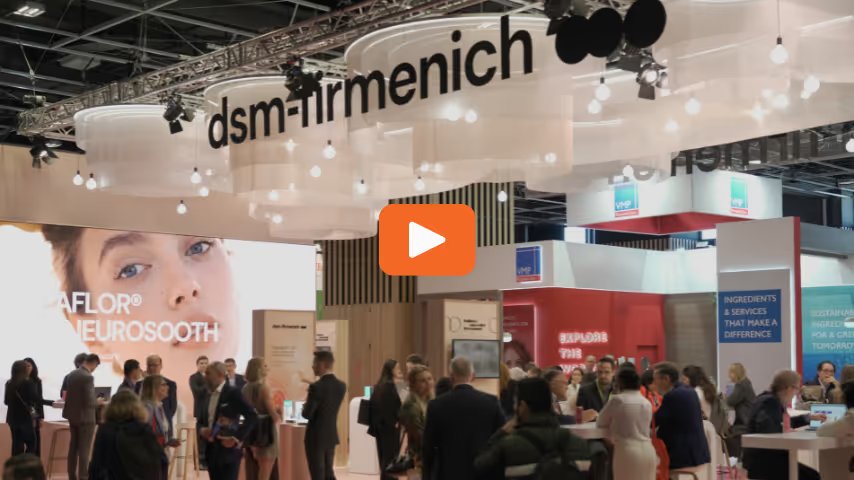
dsm firmenich
.webp)
Euronews - Hacker News

FastCompany

FastCompany

CAF
Corporate Event Highlights
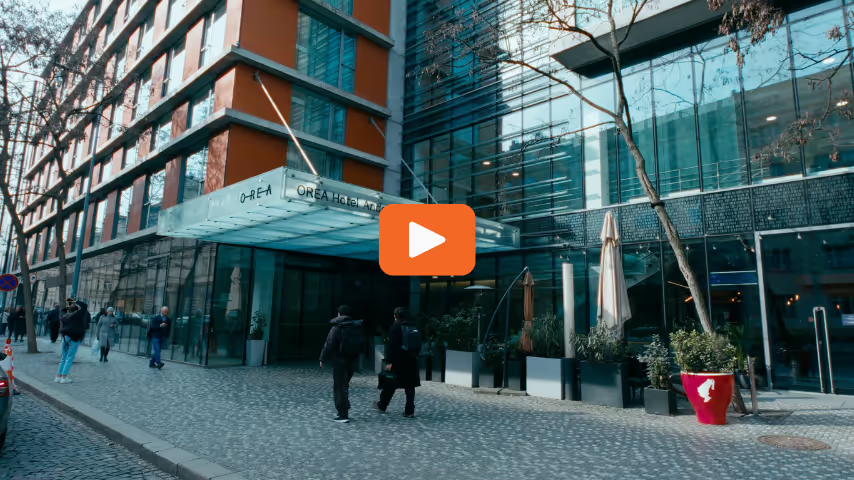
Event Recap Video
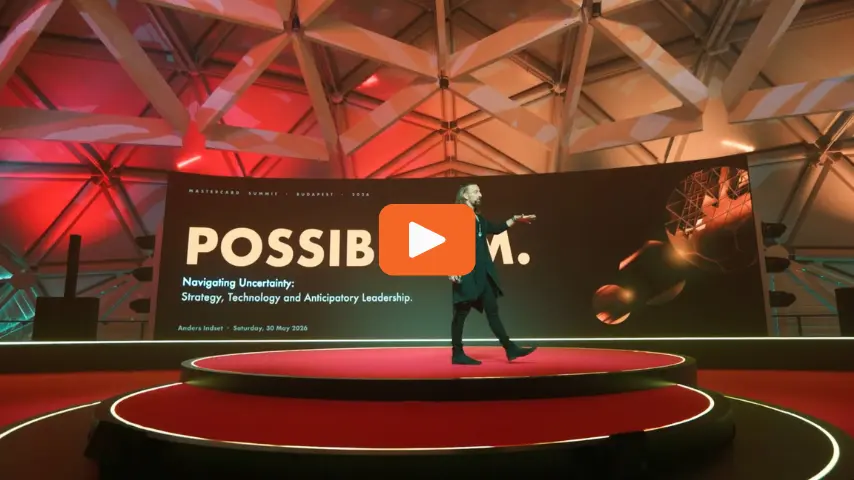
Mastercard

Fa Chai

Piano

Amazon Fast Forward
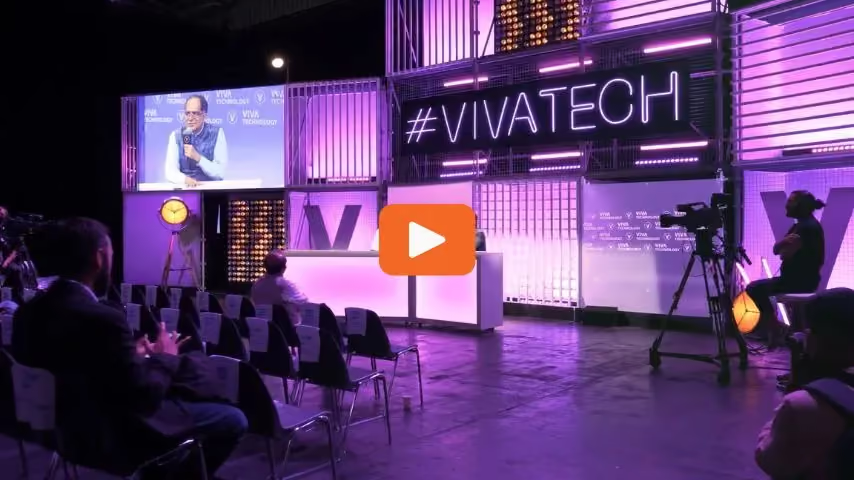
AWS - Vivatech

GIRO
.avif)
Hipther
Conference and Presentations


Medical Webinar

Piano - Presentation

FTE - Keynote Recording
.avif)
Security Bridge - Keynote
.avif)
SAP - Booking - Keynote
.avif)
Adidas - Presentation


.avif)

.avif)
.avif)



Hire the best crew Now
Experience the difference
Our customized video production services can help you develop quality video content.
.avif)

.avif)


.avif)

Industries
Our customized video production solutions can help you develop quality video content for your industry.
.avif)

.avif)


.avif)
.avif)
.avif)


.avif)
.avif)

.avif)
.avif)


.avif)
.avif)
%20(1).avif)
.avif)
Video Content Types
Our customized video production solutions can help you develop quality video content.
.avif)
.avif)


%20(1).avif)
.avif)
.avif)
.avif)
.avif)
.avif)
.avif)
.avif)
.avif)
.avif)
.avif)
.avif)
.avif)
.avif)
.avif)
.avif)
Popular Filming Locations in
Tokyo
.avif)
Tokyo for Corporate Video: Asia's Largest Corporate Production Market
I default to Tokyo for any major Japanese or East Asian corporate brief. Tokyo is the capital of Japan, the largest metropolitan area in the world by population, and Asia's largest corporate production market. The city anchors the Tokyo Stock Exchange (the world's third-largest stock exchange by market capitalization, behind NYSE and Nasdaq), the Bank of Japan, and the headquarters of Toyota (with its primary plants in Aichi but corporate operations spanning Tokyo), Sony, Hitachi, Mitsubishi (the major Mitsubishi keiretsu firms including Mitsubishi UFJ Financial Group, Mitsubishi Corporation, Mitsubishi Heavy Industries), SoftBank, Rakuten, Mitsui, Sumitomo Mitsui Financial Group, Nippon Telegraph and Telephone (NTT), Japan Post, JR East, Honda, Nissan (in Yokohama, adjacent to Tokyo), Canon, Nikon, Fujifilm, Shiseido, and the major Japanese pharma firms including Takeda, Astellas, Daiichi Sankyo, and Eisai. Layer on top Tokyo's role as the financial gateway to Japan's third-largest national economy, the major Japanese broadcasters (NHK, TBS, Fuji TV, NTV, TV Asahi), and the substantial multinational regional headquarters base, and Tokyo ranks among the world's top corporate production markets.
The Keiretsu Anchor
The major Japanese keiretsu corporate groups (Mitsubishi, Mitsui, Sumitomo, Fuyo, Sanwa, Dai-Ichi Kangyo) anchor much of Tokyo's corporate communications work. These integrated industrial-financial-trading groups span banking, trading, manufacturing, real estate, and services. Their substantial annual investor communications, internal communications, and brand work generate continuous high-end corporate production demand.
Industry Landscape
Banking and financial services anchored by the major Japanese megabanks (MUFG, SMBC, Mizuho) and the Tokyo Stock Exchange. Manufacturing across the auto industry (Toyota, Honda, Nissan with substantial Tokyo corporate operations), electronics (Sony, Hitachi, Panasonic, Canon, Nikon, Fujifilm), and broader Japanese industrial heritage. Pharmaceuticals with Takeda (one of the world's largest pharma companies, Japanese flagship), Astellas, Daiichi Sankyo, Eisai. Trading houses (sogo shosha) with Mitsubishi Corporation, Mitsui and Co, Sumitomo Corporation, Itochu, Marubeni. Telecommunications with NTT, KDDI, SoftBank. Tech with Rakuten, LINE (now part of LY Corporation), and the substantial Japanese tech industry. Retail with the major Japanese retail conglomerates. Real estate with Mitsui Fudosan, Mitsubishi Estate, and the major Tokyo real estate firms.
Where Corporate Shoots Happen
Marunouchi (the Tokyo financial district adjacent to Tokyo Station) holds the Tokyo Stock Exchange, the major banks, and many keiretsu corporate headquarters. Otemachi holds modern corporate towers including major bank operations. Shinjuku holds the Tokyo Metropolitan Government Building, modern corporate towers, and the Shinjuku ward business district. Shibuya holds tech firms, creative industries, and the iconic Shibuya Crossing. Roppongi (with Roppongi Hills and Tokyo Midtown) holds modern corporate towers and the major international hotels. Akasaka holds traditional corporate offices and government-adjacent operations. Tsukiji and Toyosu host the iconic fish market operations. Ginza holds traditional luxury commerce.
Crew Base
Tokyo has Asia's largest production crew base, built around the substantial Japanese broadcasting industry (NHK alone employs thousands), the major commercial production industry, the broader Japanese film industry, and the substantial corporate communications demand. Camera, sound, lighting, post-production, broadcast, and specialty crews are all available at the highest international standard.
Climate
Humid subtropical. Hot humid summers (with rainy season tsuyu in June and July) and cold dry winters (with rare snow). Best outdoor shooting weather March through May (cherry blossom season is iconic) and October through November (autumn foliage). Typhoon risk September through October.
Production Logistics in Tokyo
Reference for projects in Japan.
Time Zone
Japan Standard Time (JST, UTC+9). No daylight saving.
Language
Japanese is the official language. English is increasingly used in international corporate, banking, and multinational regional headquarters contexts, though Japanese remains dominant. Tokyo has substantial English-speaking professional and broadcast industry capacity.
Currency
Japanese Yen (JPY). Most international B2B production work is invoiced in JPY or USD.
Electrical Standards, Frame Rate
100V at 50Hz (eastern Japan standard; western Japan uses 60Hz). Type A and B plugs (US standard, though voltage is lower than US 120V). Default 25fps PAL or 23.976fps for commercial work given the 50Hz electrical frequency in eastern Japan. Some Tokyo broadcast environments work at 29.97fps NTSC; confirm specification with broadcast clients.
Airport
Tokyo Haneda (HND, the closer airport, primarily domestic and Asian flights) and Tokyo Narita (NRT, the larger international airport) are the main gateways. Haneda is about 30 to 45 minutes from central Tokyo by monorail or limousine bus. Narita is about 60 to 90 minutes by Narita Express or Skyliner train.
Corporate Facility Access
For Toyota, Sony, Mitsubishi keiretsu corporate facilities, Tokyo Stock Exchange access, or other major corporate access, advance security clearance, NDA execution, and internal communications coordination are essential. Japanese corporate culture emphasizes thorough advance preparation; lead times of 4 to 8 weeks are typical and rushing typically counterproductive.
Cultural Considerations
Japanese business culture's emphasis on formality, advance preparation, and hierarchical communication shapes production planning. Crew dress codes lean conservative for corporate environments. Meishi (business card) exchange protocols are observed. Production schedules respect Japanese working hours and avoid late-night disruption.
Permits
Tokyo Metropolitan Government and ward-level offices handle filming permits. Lead times of 2 to 4 weeks are typical for standard corporate work. For major landmark exterior shoots (Tokyo Tower, Tokyo Station, Imperial Palace exterior), additional permissions apply.


.svg)